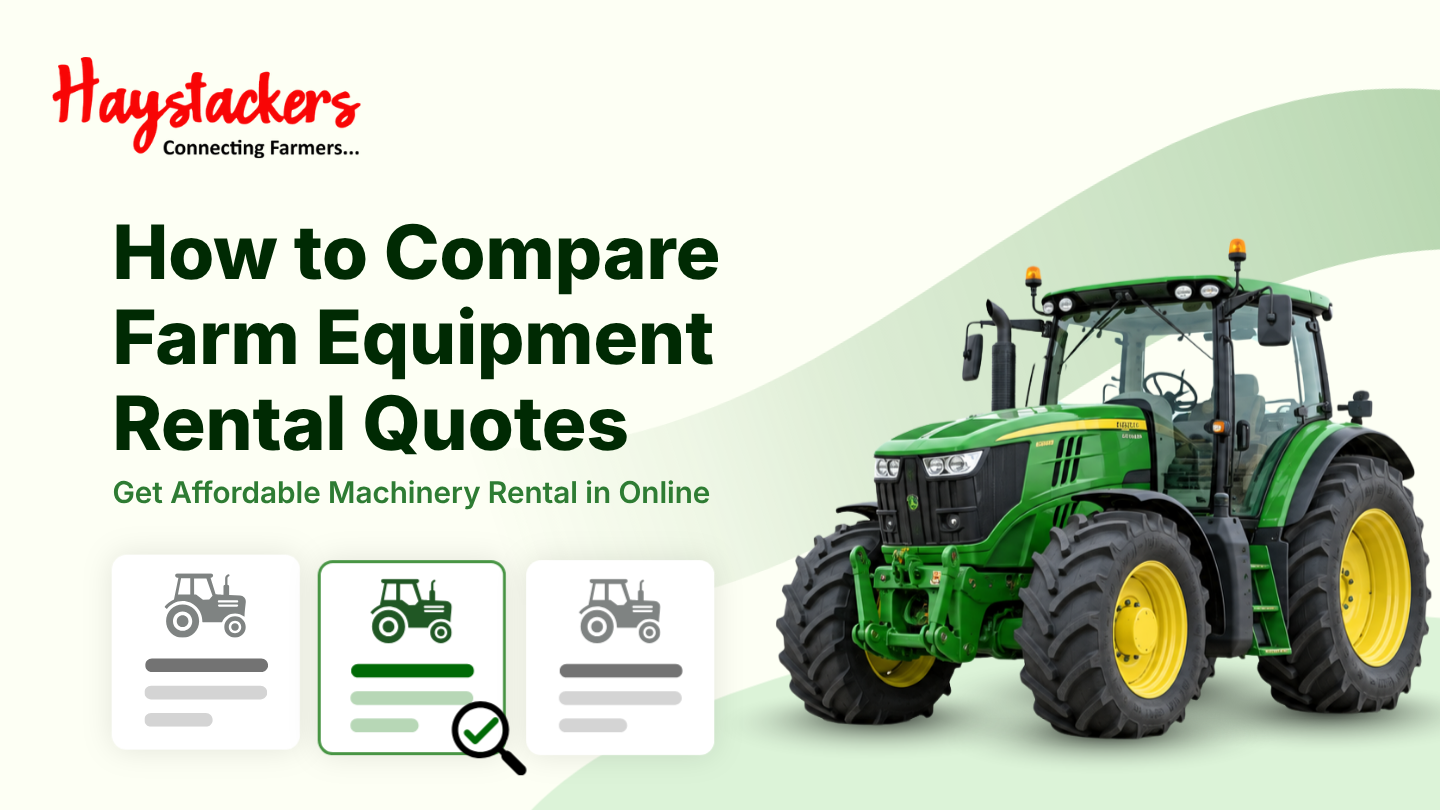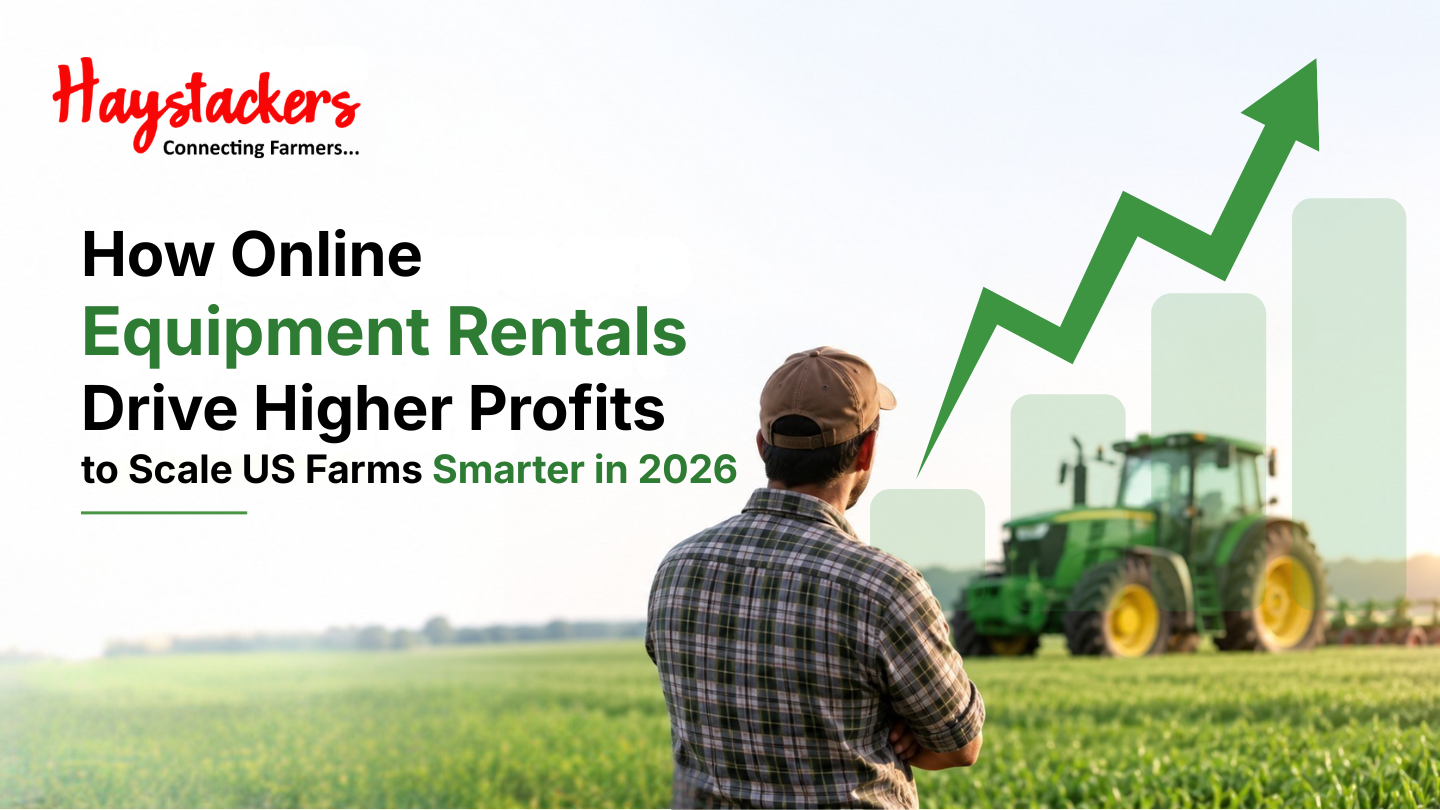
Tractor Rental Services
We're seeing farmers across the US starting to
question how they use their machinery, and it's being reflected on their bottom
line. Many farms are opting for sharing on-demand rental networks and adopting
a more "on-demand" approach instead of making big investments in
machinery that mostly sits unused in the yard. This shift is helping operations
of every size stretch their budgets further while keeping fields running on
schedule. Now that tools like Haystackers are at the heart of this shift,
enabling you to find the ideal tool for the task at the exact time needed,
here’s a brief overview of how this lend-first philosophy is altering on-farm
financial statements in 2026.
In farming in 2026, margins are slimming, and
equipment will only be getting more expensive, so growers will have less room
for financial slippage. For that matter alone, there aren't many farmers who
wish to finance, for example, their spraying machine - not to mention combine
equipment - in excess of one hundred thousand dollars on machinery used on
fewer than a dozen weeks out of the year, but there will now be very few ways
around this fact. That reality is precisely why farm equipment for rent
in US networks has become such a smart alternative for so many
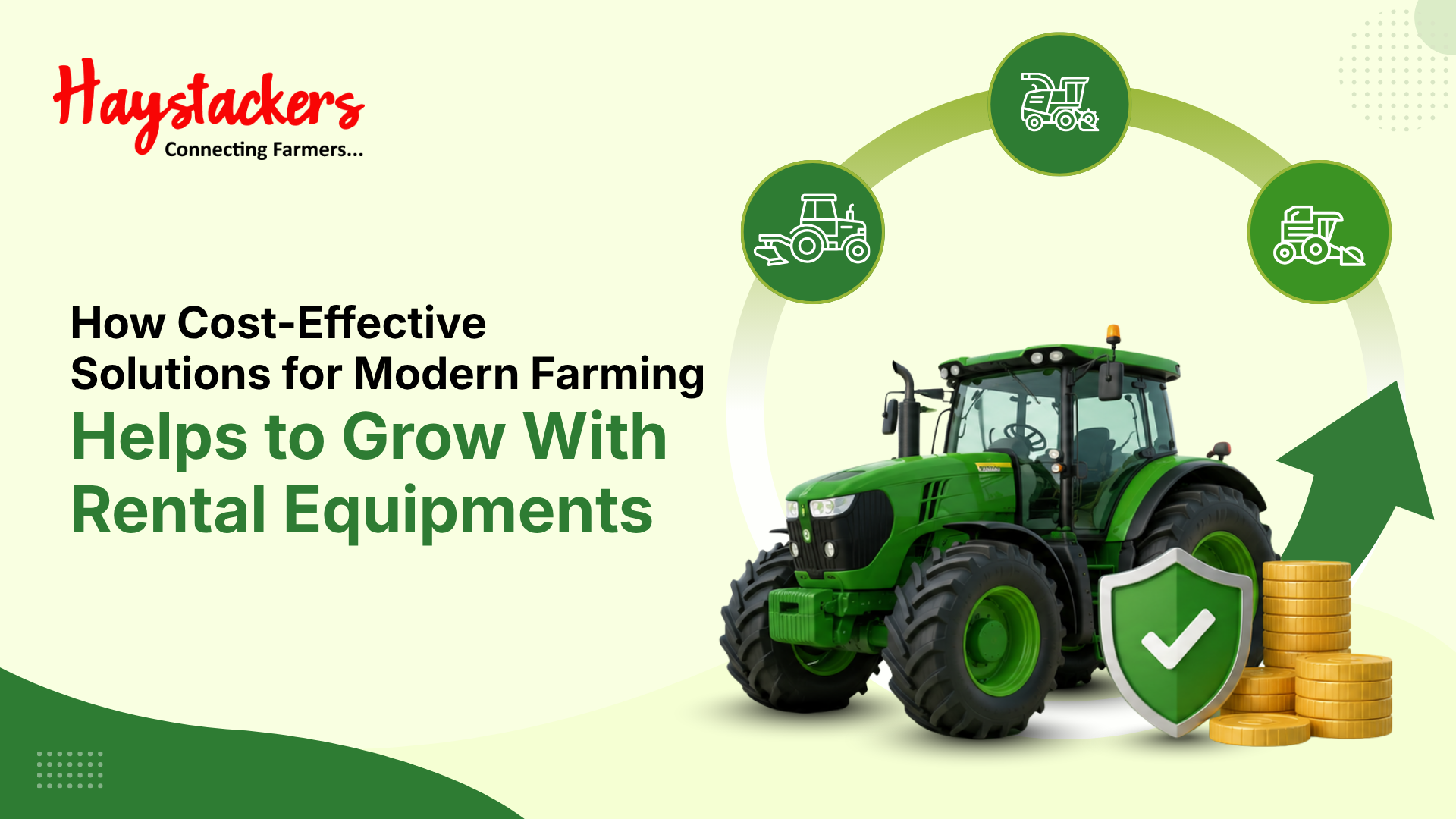
operations. Rather than locking up cash in a depreciating asset, farmers can
now access exactly what they need, only when they need it, and put the rest of
their budget toward things that genuinely move the needle — better seed,
healthier soil, or extra hands during a tight harvest window. This isn't a
short-lived fad. It's a real change in how American agribusiness operates on a
daily basis, and it's giving smaller homesteads a better chance against larger,
better-funded operations.
In 2026, farming will have ever smaller margins; input prices are very high, and buying equipment for your farm can cost far more than most farmers can afford. Owning something that yields only a few weeks' worth of harvest all season (i.e., a combine or sprayer) cannot justify the financing a farmer may need to buy even one combine for their family. However, more lean ways of financing farming, such as paying as you use, are far more realistic and financially smart ways of doing business in the farming industry.
1. Idle Gear Is Quietly Draining Your Earnings
A tool sitting unused in the barn still costs money — through depreciation, insurance, upkeep, and the storage space it eats up. Most growers underestimate just how much this dead weight chips away at their earnings until they actually run the numbers. A planter used for three weeks a year but losing value all twelve months is a hidden expense many never account for. Renting removes that burden completely, turning a fixed, ongoing cost into a flexible expense you only carry while the tool is actually in your field.
2. Redirecting Savings Into What Actually Grows Yield
Put off that big purchase, and the cash goes somewhere else; it doesn't disappear into the ether. You can see today that many farmers are putting their machinery savings into better irrigation, cover crops, or high-tech solutions like precision-ag gear, and this approach is one of the easiest roads to growing top-line profits without a stitch of added land. One big piece of iron that just sits there isn't worth nearly as much in the top-line, money-generation realm as if you invested that value in smarter inputs.
3. The Right Tool for Every Stage, Without Overbuying
Every stage of the growing season calls for a different lineup of gear. What you need for tilling is different from what you need for planting, and harvest has its own demands. Owning enough machinery to cover every single stage is costly and, more often than not, unnecessary. This is precisely where a tractor attachment rental in US service earns its keep — growers can bring in a disc, seeder, or baler attachment for just the weeks it's needed, then return it without the ongoing costs of storage or eventual resale. Your farm only ever pays for the tool that matches the job at hand.
4. Keeping Downtime From Eating Into Your Season
A breakdown at the wrong moment can cost you an entire planting or harvest window. Farms relying purely on owned machinery often face days, sometimes weeks, waiting on parts or a technician. Having a backup lined up through rental farm equipment in US networks means a broken baler or tiller doesn't have to stall your operation. A stand-in unit can usually be secured within a day or two, keeping your crop cycle on track and protecting the earnings tied to that timing.
5. Why Digital Farm Equipment Rentals Are Growing Across the US
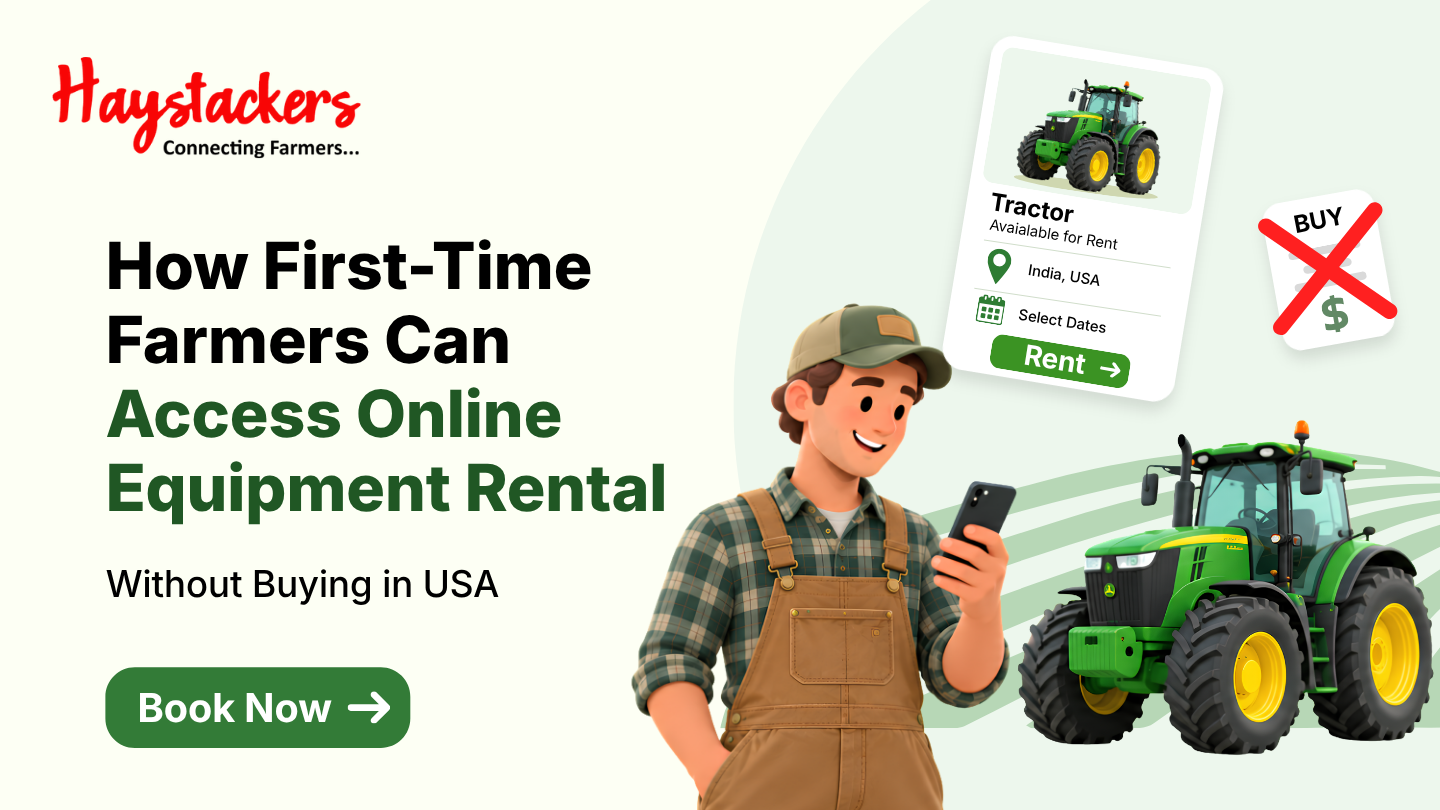
Recently, accessing farm machinery usually required
phoning around town, driving to the local dealer, and hoping they had what you
needed in stock. That whole process now lives online. Digital marketplaces show
availability, pricing, and delivery details upfront, letting growers compare
their choices from a phone before committing to anything. If you want to know
about farm equipment's rental in online options nearby, most
platforms let you filter by attachment type, distance, and temporary use time
period in seconds — cutting out hours of calls and site visits that used to be
standard practice.
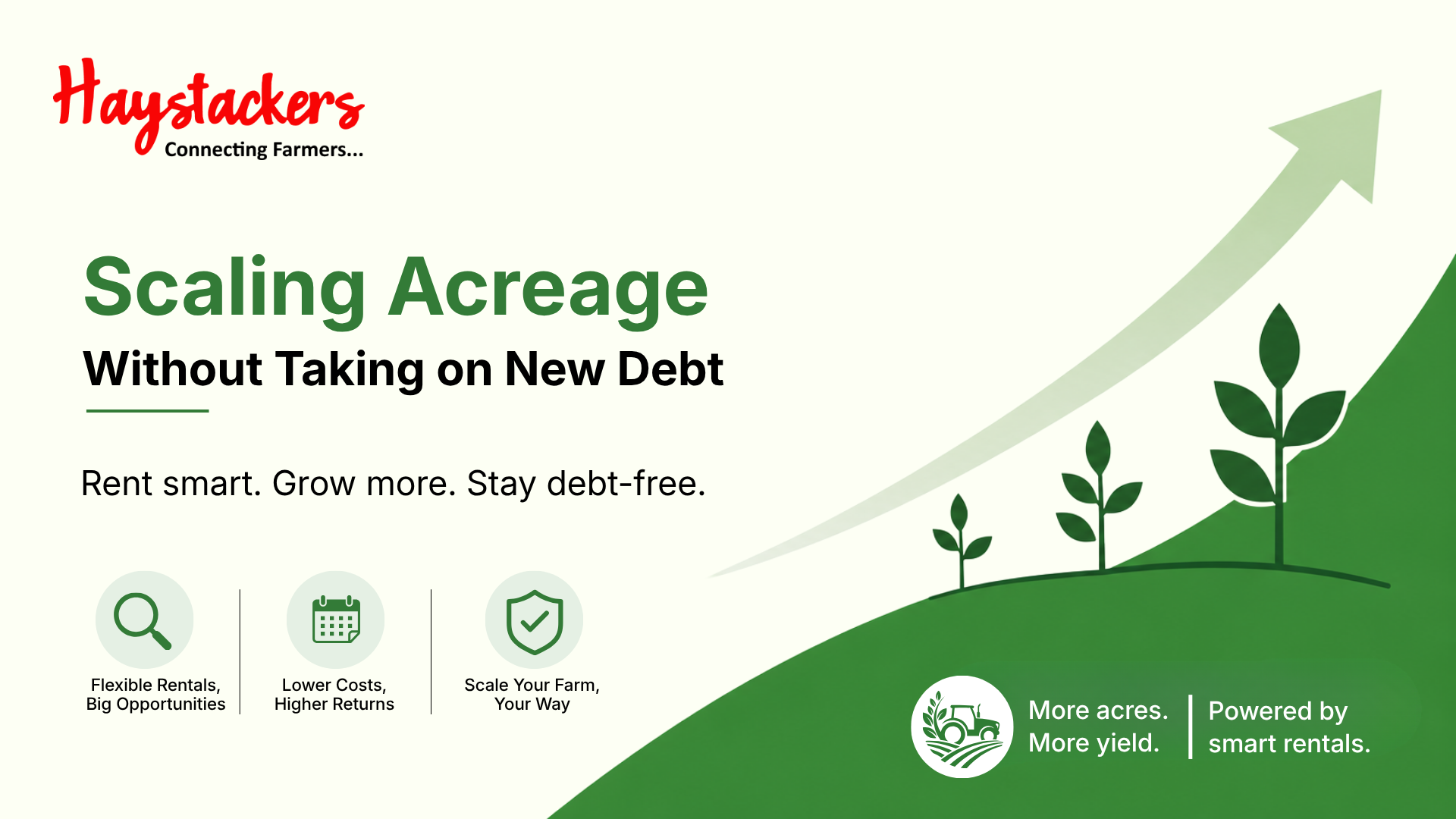
One of the strongest advantages of renting farm
equipment is the ability to expand operations without piling on more loans.
Growing into a new crop line or additional acreage traditionally meant
financing new machinery. Today, thanks to rental services for farm tools,
any grower can use the potential returns from the endeavour after using the
rental equipment. Haystackers and similar platforms have made this
low-risk approach to scaling accessible even to first-generation farmers
working with limited starting capital.
Rental Farm Equipment
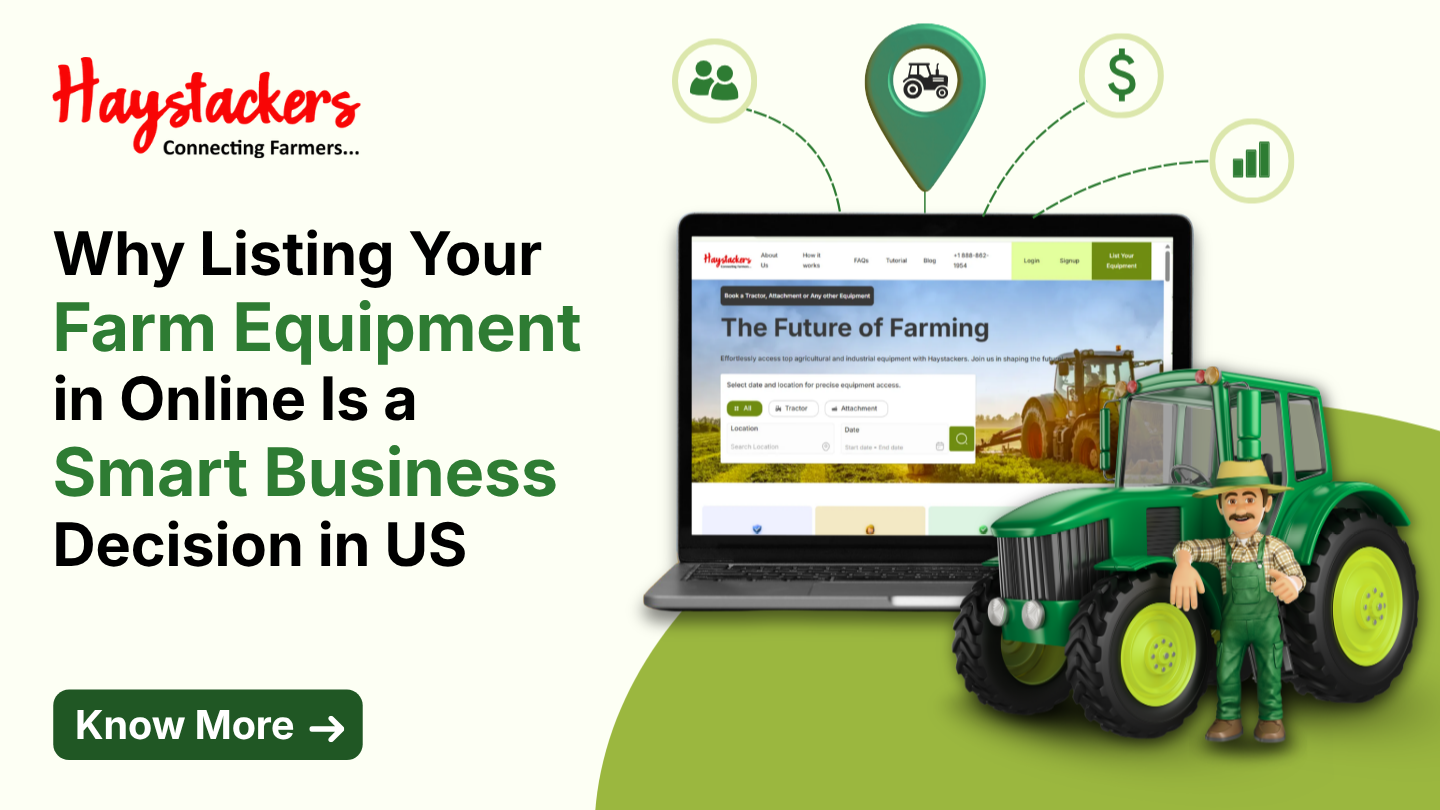
The financial upside also extends to owners. Farmers
with machinery sitting unused for parts of the year can list it on platforms
like Haystackers and turn that dormant asset into steady income. A tractor or
sprayer parked for eight months of the year could instead be earning money from
a neighboring farm. This two-way marketplace setup is what makes online
equipment hiring networks so valuable — every tool listed has the potential to
serve, and get paid by, more than one farm across a season. It's a model Haystackers
has built its entire platform around.
Online farm machinery rentals have moved well past being a simple workaround for growers short on cash — it's becoming a genuine strategy for farms that want stronger earnings without taking on unnecessary risk. Whether you're looking to reduce waste expenditures, gain working capital, reduce downtime, or tap into a new stream of income from idle assets - benefits grow when scaling in multiple dimensions no matter the size of your operation. As 2026 inches closer, the farms across America are going digital and flexible. You're ahead of the curve if you get on board early. This approach is how you scale an operation in this year with on-demand technology and equipment rental and access.
List your farm equipment online and start
earning more today.
1. Do I need any special insurance to rent farm machinery online?
A: It depends on the platform and the value of the tool — many marketplaces offer built-in damage protection or require a short-term policy, so it's worth checking the coverage details before confirming a booking.
2. How far in advance should I book farm tools during peak planting or harvest season?
A: Since in-demand tools like tractors and balers get reserved quickly during peak windows, it's best to book at least one to two weeks ahead to guarantee availability near your farmland.
3. What should I check before renting a piece of farm machinery online?
A: Before booking, it's worth reviewing the machine's condition, maintenance history, and any usage restrictions listed by the owner, along with confirming pickup or delivery logistics so there are no surprises once the rental period begins.
More articles





Haystackers is a peer to peer community-based platform facilitating direct rentals of tractors and farm equipment from individual farmers to those in need.
© Copyright 2026. Haystackers. All Rights Reserved.


© Copyright 2026. Haystackers. All Rights Reserved.