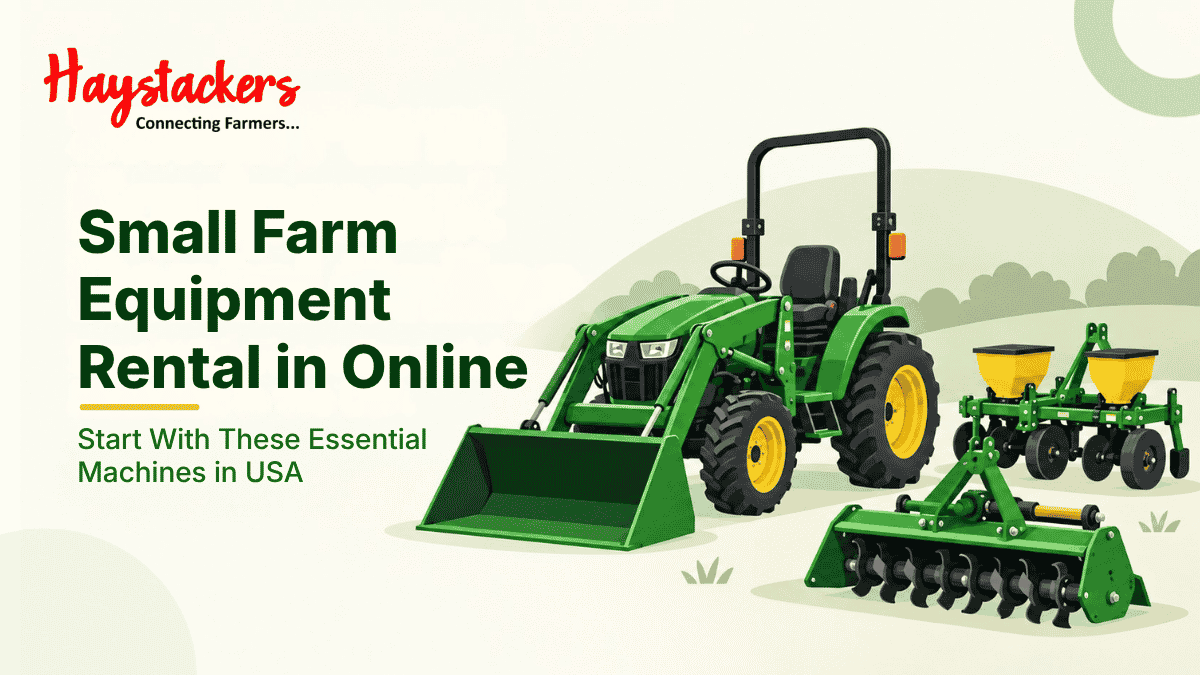
Farm Tractor Rental
Always wondered how much simpler life would be without
having to buy a tractor for every task? Haystackers offers access to local,
off-duty tractor owners and machinery operators. Follow this guide to
understand why to rent vs. buy, what to look for before you book, factors
affecting daily pricing, and how to avoid peak-season pitfalls.
Ever feel like planting season just shows up on you?
As a small-plot grower, you need to make a hard choice: Should you purchase a
machine you'll only use for a few weeks, or borrow from a neighbor - hoping
it's working smoothly? Both options can be stressful and cause delays. If
you're ready to rent farm equipment in US markets - and want to avoid
tons of phone calls - then a straightforward renting process is more than a big
budget: it's essential. Thinking about a lease or purchase? This guide can help
you. From our tips on what to look for at pickup to how the price is determined
and how our peer-to-peer marketplace helps you find your ideal pair, this guide
is your one-stop resource.
Buying your own gear gives you full control, but it usually means paying a big amount at the start. Farm and Dairy notes that buying often requires a down payment, while a lease may only need a first payment. For a once-a-year job like clearing a fence row or ditch, paying for a short stretch of use gives you a fixed, budgetable cost and is often the wiser move.
Hiring also lets you test before committing. Unsure
whether a telehandler suits your barn? A few days' answers for a fraction of
the price. Most farms across America are small or medium-sized, and that is
exactly why easy, flexible access to gear matters so much. Did you know that
local tractor hiring services in US fill this gap? And now the digital
marketplaces are creating an even quicker search.
Start with one simple question: how often will you need the gear? You have land area, budget, and time available to do the work to determine the right answer. A brief inspection of each plan can save you money and a huge headache down the road.
1. Buy if you use it all the time. Had the thought that owning is actually better when the machine gets a daily workout, year after year? You have all the power but also the cost of the down payment, maintenance, and storage - and of course, the equipment depreciates with age.
2. Lease if you want a longer trial. A lease usually starts with a small first payment. You can use a piece of gear for a whole season before deciding to keep it. Go through the contract carefully, since the terms can be very different from one lease to another.
3. Hire if the job has an end date. Thinking about the advantages of renting farm machinery? You get to save a lot of money on the purchase; you only have to use the machinery when you need it (not years), plus you probably don't have to maintain it. But the thing is, the most popular machines are also the most highly sought after and only available at certain times of the year (mainly during planting or harvest).
Renting means a smaller payment at the start, and you
are free from long-term repair worries. However, if the work drags on for
months, paying again and again can add up to more than buying. So choose the
option that suits the job. Use short-term access for seasonal jobs, and buy
only if you will use the gear every year.
Timing is the hidden snag. One agricultural writer
points out that an owner may need the same unit for their own field, which
pushes hired jobs earlier or later than you would like. Corn ground and
orchards run on very different calendars, so check local demand before settling
on dates. Check with owners early about their servicing plans, since a repair
visit can change when the gear is free. Keep your dates flexible, and have a
backup option ready in case bad weather shifts your work by a few days.
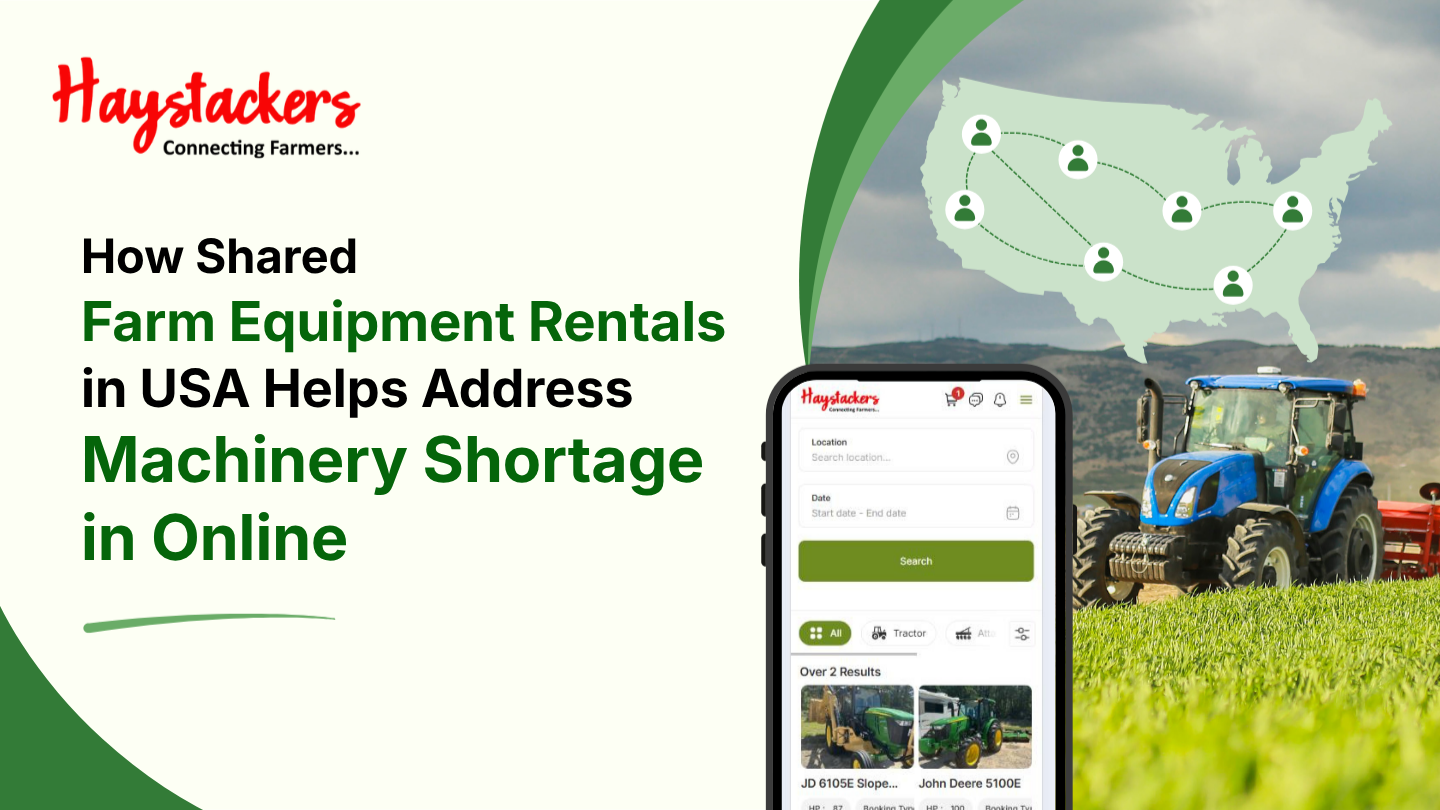
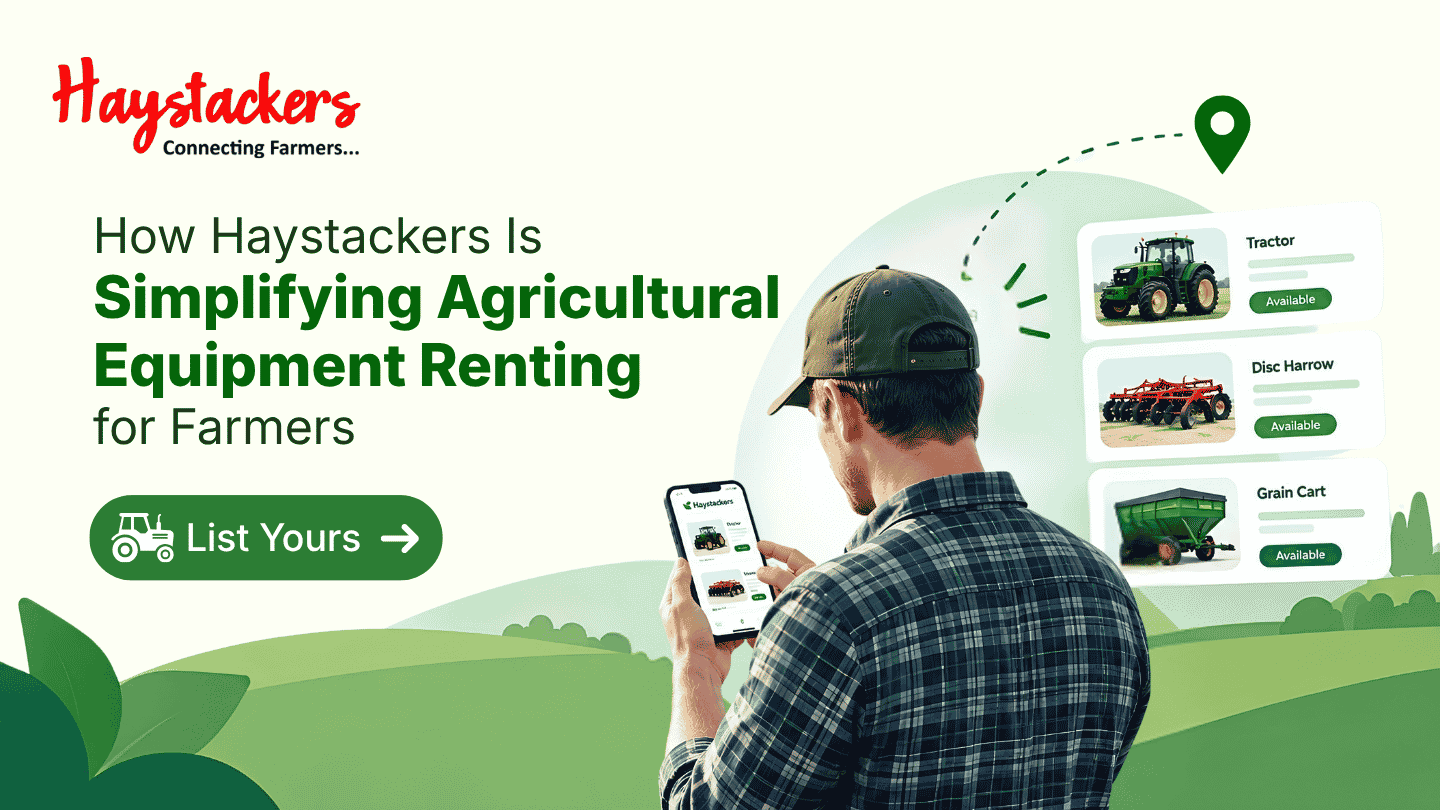
Haystackers is a peer-to-peer platform where individual owners list tractors and implements for neighbors to book online. You search by location and dates, send a request, ask questions, and add attachments to the same order if needed. Once you and the owner agree, payment is made on the platform. The site verifies both owners and renters, includes insurance coverage on every booking, and offers pickup or delivery, so the whole process stays in one place.
That local focus matters. Whether you need a planter
for wheat ground or tractor attachment rental in US farming regions with
very different crops, filtering by place and date keeps trips short and
surprises fewer. Plans change, too: a short change-of-mind window allows a full
refund, minus the card processing fee, which takes pressure off early planning.
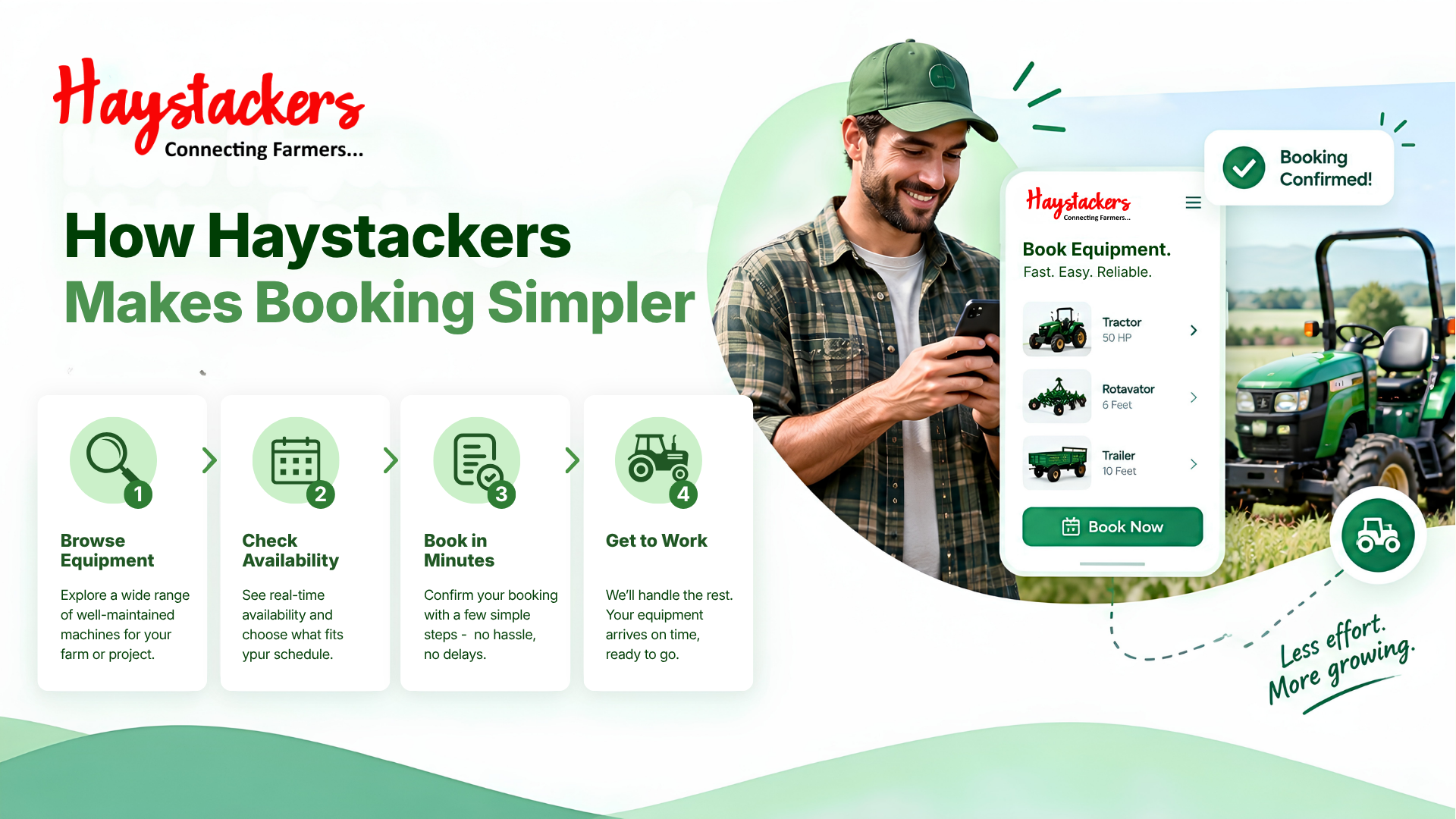
Tractor Attachment Rental
Listing prices vary, so it helps to know what moves them:
Add fuel, delivery, and your own labor hours before
comparing with a purchase quote. A few planting days of hire is usually a small
slice of what a new purchase would demand, especially when the gear would
otherwise sit idle for most of the year.
If a rig sits in your shed most of the year, you can
stand on the other side of the deal. Haystackers states that owners can earn
extra income from gear that would otherwise gather dust, though results depend
on gear type, location, and demand. Owners who want the details can learn
more to list your equipment. Sharing your gear helps nearby growers get
their crops in on time, and it builds a stronger farming community for
everyone.
Which is better to rent or to buy equipment? For short-term use, whether it be seasonal, quick, or test projects, it's best to rent. If heavy use all year is needed, your best bet is to buy. Comparing the total cost of each option, then exploring the billing policies and insurance, will help you decide.
Book as far in advance as possible to reserve your desired dates. One thing: a local peer-to-peer sharing marketplace can cut out the drive, trim the paperwork, and keep your investment in your local economy. Have idle equipment? Rent it out. Little efforts like these help get farms a head start and keep neighborhoods humming.
👉🏻Ready
to earn? List your equipment today.
Q: Can I cancel if my plans change?
A: On Haystackers, a short change-of-mind period gives a full refund minus the card fee when you cancel soon after booking. After that, the listing's cancellation policy applies.
Q: What should I check at pickup?
A: Record the hour meter reading, then inspect tires, fluids, hitch points, and the PTO shaft. Take dated photos and note any existing damage so the return goes smoothly.
Q: What if the gear I book does not suit my task once I start work?
A: Contact the owner right away, since most issues come from a mismatch in size or hitch type that a quick conversation can fix. To avoid this, confirm the implement, horsepower, and your field conditions in your booking request, and ask the owner for advice on the best setup for your crop and soil.
More articles





Haystackers is a peer to peer community-based platform facilitating direct rentals of tractors and farm equipment from individual farmers to those in need.
© Copyright 2026. Haystackers. All Rights Reserved.


© Copyright 2026. Haystackers. All Rights Reserved.