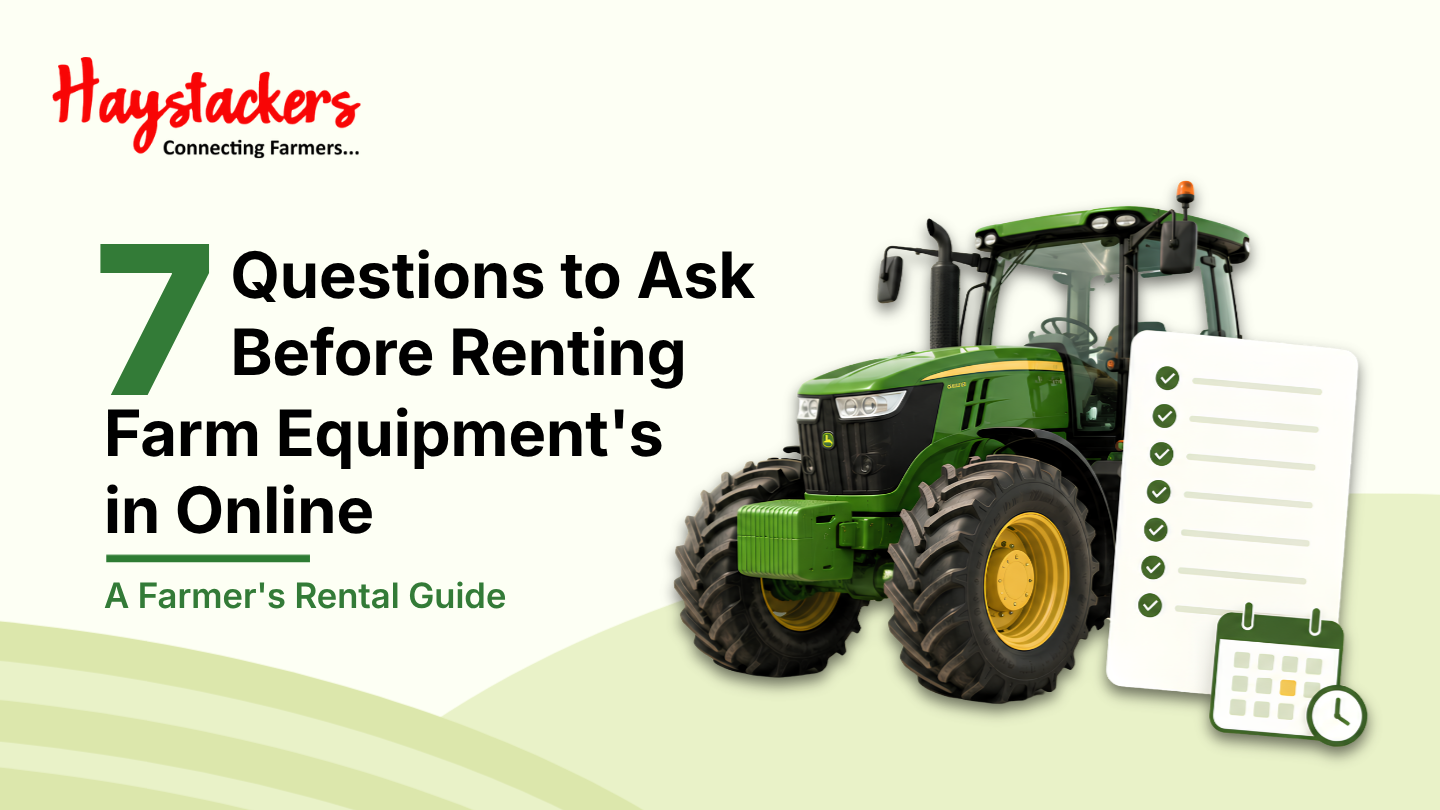
Farm Equipment For Rent
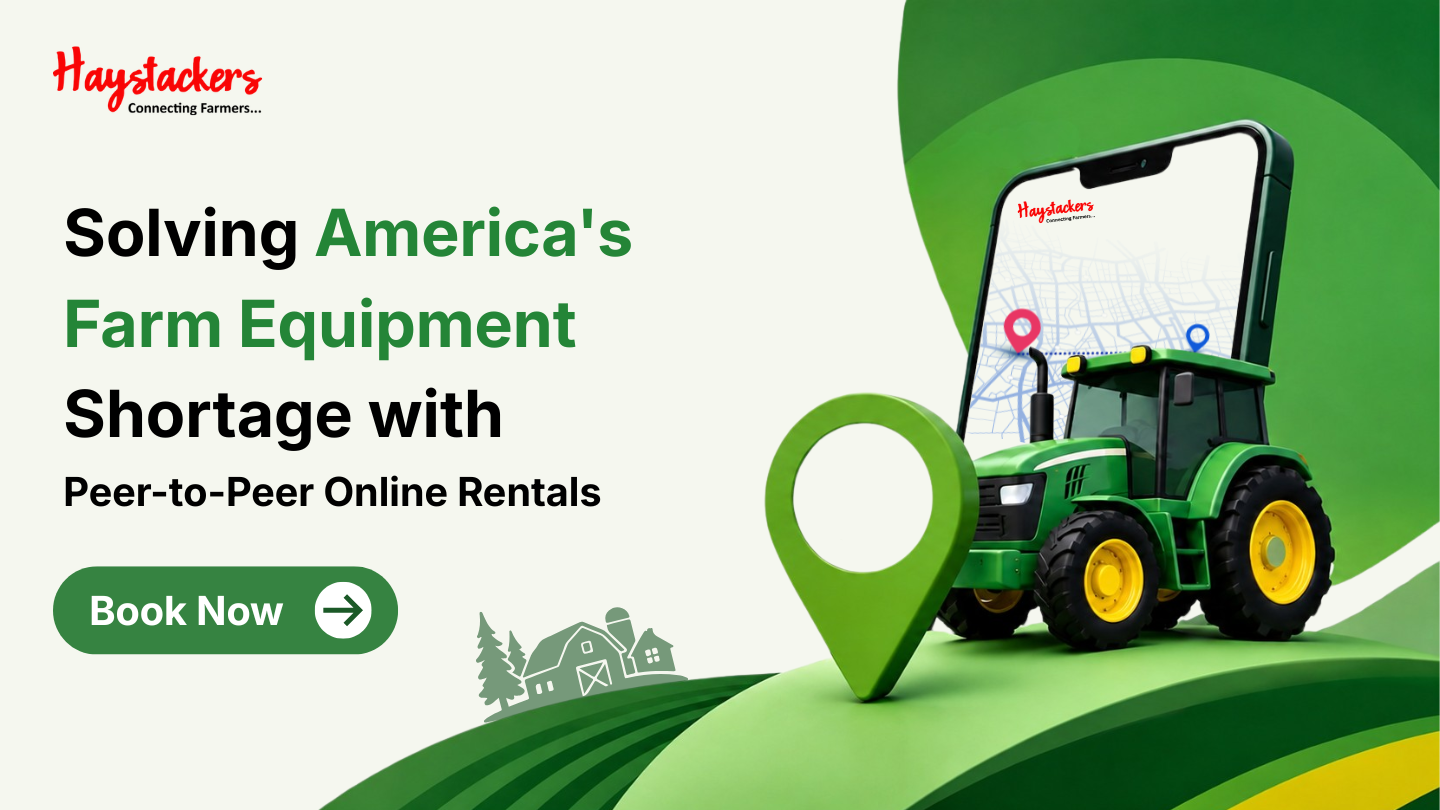
American farmers are facing a difficult situation with
ever-increasing equipment costs, lengthy dealership lead times, and season-long
shortages that force farms to stay idle during the most critical times of year.
To meet these needs and provide solutions, peer-to-peer marketplaces have begun
to help by offering farmers the ability to rent equipment instead of taking on
the large financial burden of owning a full lineup. This blog will review the
cause of the shortages, how peer-to-peer marketplaces can alleviate this issue,
and what the implications are for American agriculture going forward.
Just ask any farmer across the United States this
spring and you're likely to get the same grumble: Finding the correct equipment
in a timely manner is tougher than ever. Supply lines haven't yet caught up.
Lot inventories at your dealership aren't quite what they once were. And while
mom and pop operations still thrive across the nation, securing funds for new
equipment has gotten tougher. That's exactly why farm equipment rental
in US markets has grown from a backup plan into a genuine strategy for
keeping farms running smoothly. Small and mid-sized operations are swapping
in-house models for shared-use alternatives, bypassing months-long wait times
or dropping tens of thousands on a processor that will likely gather dust for
most of the year. Here's why shared-use facilities are becoming an increasingly
popular option for farmers in this market space.
Farmers have seen equipment costs outpace commodity revenue for years. What was once thought of as an affordable investment - buying new iron - now has price tags that make a person sweat the transaction. On top of that, there are part shortages, longer lead times for manufacturing, and fewer dealers in rural America, making it increasingly difficult for well-resourced farms to get equipment when planting or harvesting season hits.
It's not simply a question of minor hassle. If your
combine breaks down in the middle of harvesting, or if you don't have a seed
drill on hand during the few days when the soil is right to plant, the impact
of those lost days on your whole season could be devastating. What's more,
small and newer farmers suffer most because they lack a spare machine stored in
their barn.
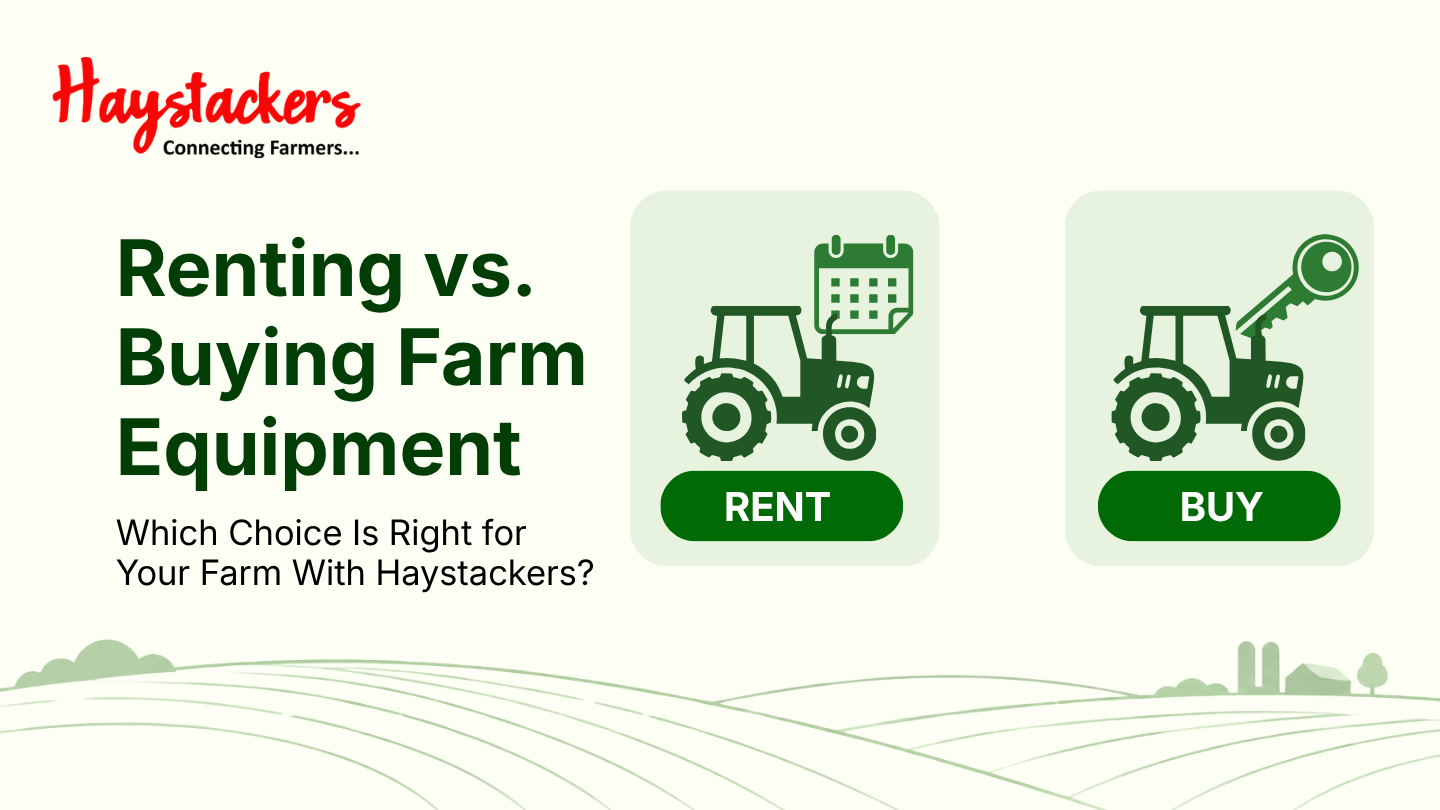
You might think it is the smartest decision to own a piece of heavy equipment, but that is rarely the case. Most of your farm equipment is used for just two weeks a year, but you pay to insure, store, and depreciate it for the other eleven months. For a small farmer or someone new to farming, the numbers simply don't make sense.
This is where the idea of shared access starts to make
a lot more sense. Instead of each farm being filled with a fleet of never-used
equipment, the rental model allows many farmers to share a stock of machinery,
spreading the costs and wear across entire neighborhoods rather than just one
bank statement.
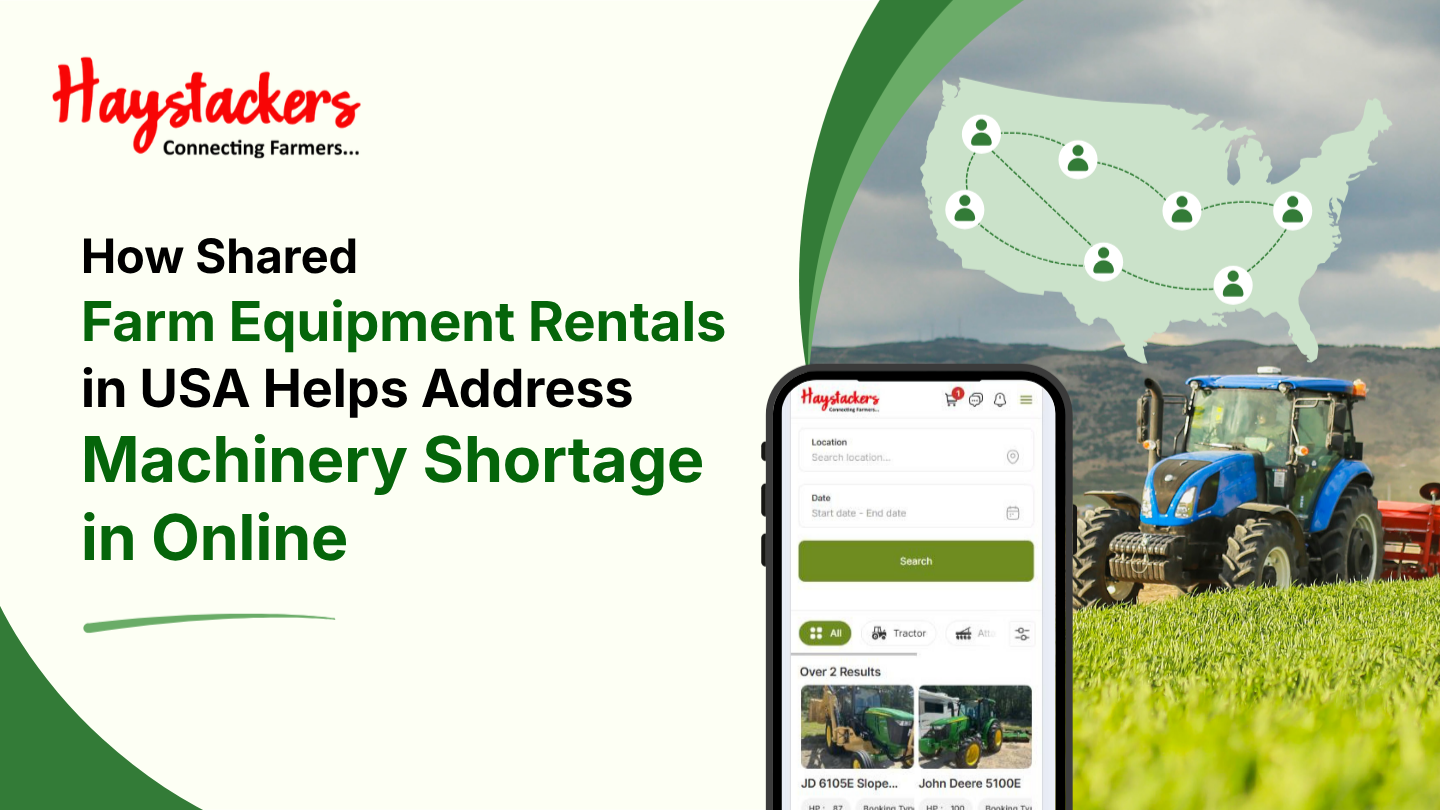
But digital tools have made the process so much more convenient. Before, borrowing a plow from the farmer down the street involved a phone call and a handshake and a prayer. Farmers can log into an online marketplace today to rent a combine for the day, week, or season from another farmer – all from one easy platform.
On these services, you usually pick the location, the type of equipment, and the price, then send an email or message to the owner directly. To decide the pickup and/or delivery. These applications handle money transfer, insurance, and booking, so a casual rent is much faster and more secure. It's a model that mirrors what's happened in other industries — think of it as the same logic behind short-term home rentals, just applied to tractors and harvesters.
If you'd like to browse tractor rental
services in US areas near you, most listings now show real-time
availability, so you're not stuck guessing whether a machine will actually be
free when you need it. Farmers who'd rather skip the dealership altogether can
also use platforms and have equipment delivered straight to the field. And if
you happen to have gear sitting unused in your shed, it's worth learning more
about how to list your equipment and start earning from it instead of letting
it depreciate quietly.
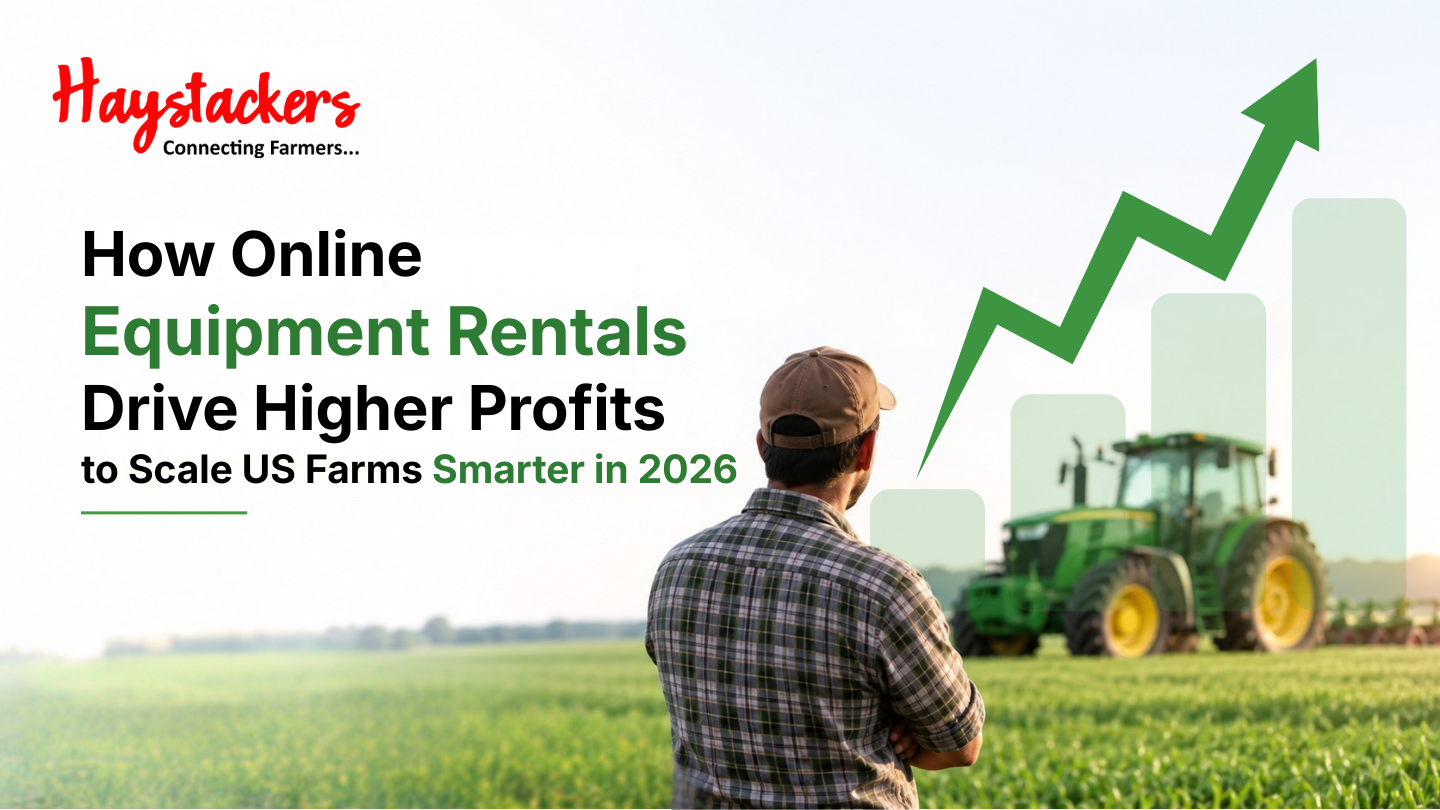
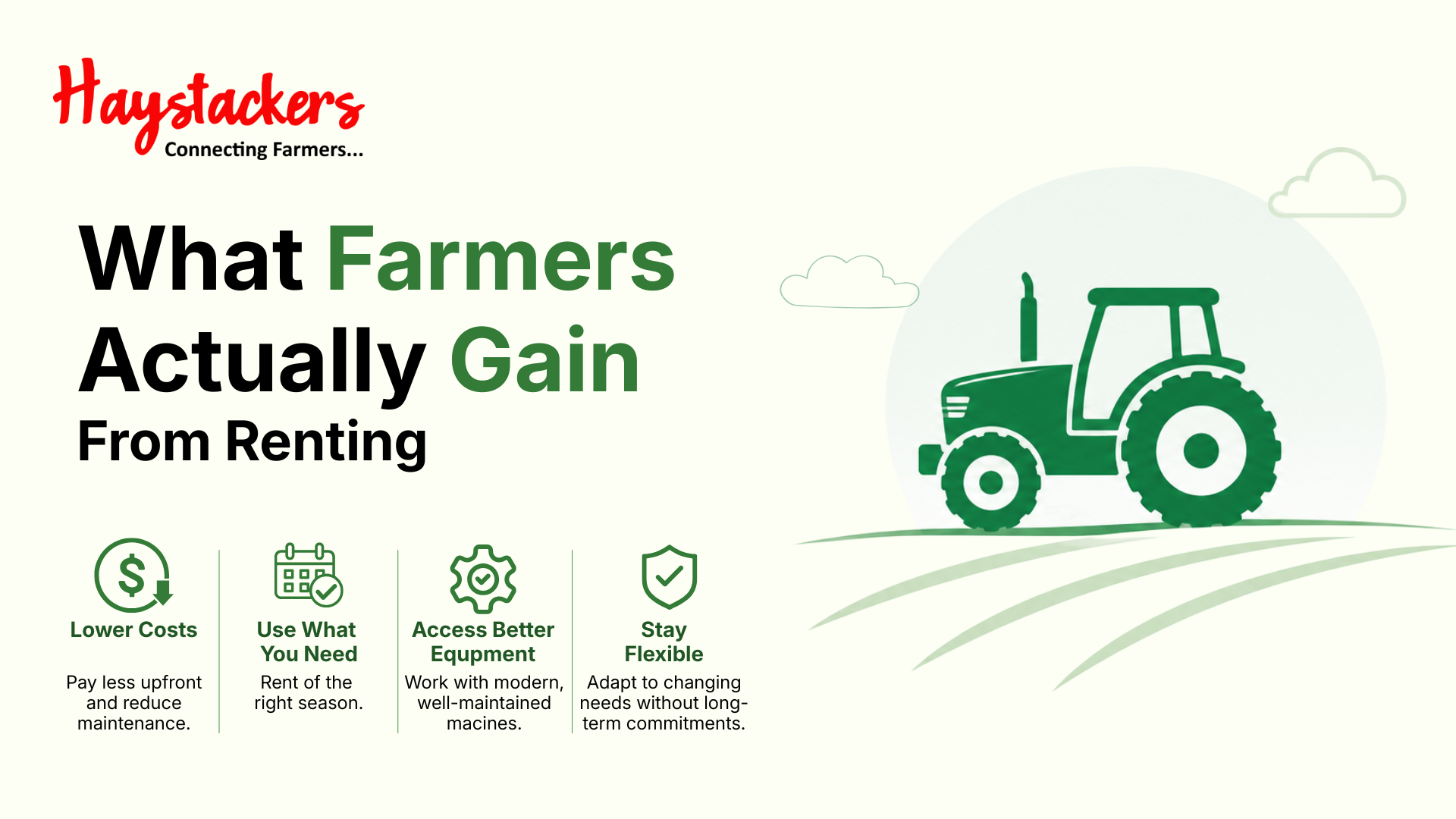
Some farmers just can’t afford a hefty upfront payment for a giant piece of equipment. But sharing means that producers get access to bigger and more reliable equipment than they could probably buy outright on their own. It frees up their time from equipment maintenance, storage, and the possibility of buying all sorts of extra attachments, such as grapple rakes or seed drills, that they might use one or two times a year.
For equipment owners, listing idle machinery on a
rental platform is a smart way to generate passive income from an underused,
depreciating asset. Renters gain affordable access to the machinery they need
without the expenses of ownership, while owners can earn from equipment that
would otherwise sit unused. Learn more to list your equipment and
turn idle machinery into an income-generating asset.
Small Tractor Rental
Another community benefit comes from the growing
ability to rent agriculture machineries online in US, which makes
it easier for neighboring farmers to share resources and build stronger
connections. Beyond simply renting or leasing machinery, farmers can exchange
maintenance tips, recommend reliable equipment, and support one another during
demanding planting or harvesting seasons. In many rural communities, this kind
of cross-farm cooperation is helping restore the sense of connection and
collaboration that has long been a part of American farming.
It's fair to ask whether this model works for
everyone. Large commercial operations with predictable, year-round use for
their machines may still find that ownership makes more sense. But for small
farms, seasonal operations, or anyone testing out a new crop or technique,
renting removes a lot of the financial risk. So rather than replacing ownership
entirely, it provides farmers an alternative with more flexible terms depending
on their scale and requirements.
The lack of equipment won't be solved quickly, but I'm truly inspired by how farmers are responding to the situation. Shared rental platforms are turning a supply problem into a community solution, giving growers access to equipment without the weight of full ownership. They cut out costs, save on downtime, and send idle machines to someone who can use them. And as farmers realize how easy it is to book by computer, the sharing system looks less like a backup plan - and more like where American agriculture is going anyway.
List your farming machinery online.
1. Is renting farm equipment cheaper than buying it outright?
A: In most cases, yes — especially for machines you'd only use a few weeks a year. Renting means you avoid storage costs, insurance, and depreciation, which can all impact the price. It tends to be the more cost-effective option for smaller operations or those with a seasonal need for storage space.
2. How will I know that the equipment I rented is of high quality?
A: Owner reviews, maintenance details, and pictures before reservation are readily available on trustworthy rental sites, and many renters' insurance options apply. Carefully examine the profile, and make a proactive decision to ask the owner how they maintain their equipment and when it was serviced last.
3. Can I list my equipment for rent even if I only have one machine?
A: Absolutely. You don't need a full fleet to get started — a single tractor, plow, or attachment can be listed, and you set your own availability and rates. It's a simple way to earn extra income from gear that would otherwise be unused.
More articles





Haystackers is a peer to peer community-based platform facilitating direct rentals of tractors and farm equipment from individual farmers to those in need.
© Copyright 2026. Haystackers. All Rights Reserved.


© Copyright 2026. Haystackers. All Rights Reserved.