Tractor Rental Services
When fuel prices are at record highs and weather
patterns are proving erratic, American farmers are struggling to maintain their
profit margins. Leasing agricultural equipment is one of the most effective
ways to lower operating costs without sacrificing productivity. We walk you
through how machinery leases can increase your farm's profit, how to select the
right equipment rental partner, and ways platforms like Haystackers are
equipping growers nationwide.
Once again, as a new planting season dawns across
American farms, comes the inevitable question: how can you afford to put the
necessary machinery in the fields? It's a problem that many are addressing with
a focus on access rather than ownership. Farm equipment rental in US,
or in the words of many, a new paradigm for American agriculture, is providing
access to the right machines at the right time without being on the hook for
the cost of ownership.
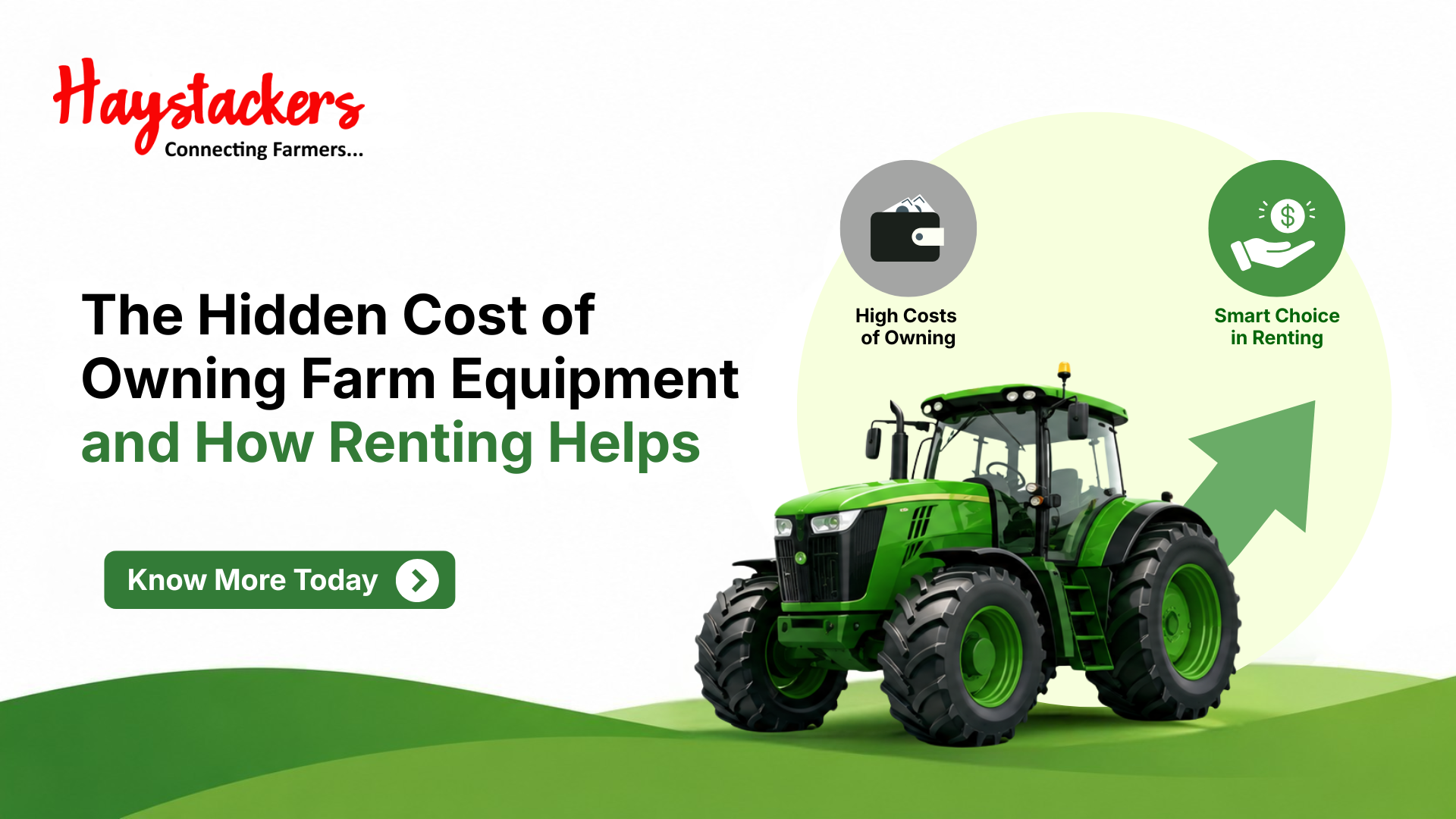
Long gone are the days when successful farming depended on your equipment shed's ability to hold tractors, combines, sprayers, and tillers. Of course, having all the equipment you need on the ground made you feel like a true agricultural operator. But a new tractor is a hefty investment at an MSRP often ranging from $50k to $300k+, and that's before maintenance, storage, insurance, and the dreaded depreciation.
Much of this heavy equipment remains dormant most of the year. Your combine can rip through the wheat fields for one or two weeks a year, then collect dust for the other 50 days. That's capital sitting on the balance sheet doing nothing but losing value. It's a question smart farm managers are beginning to ask more frequently: Do I really own it or just need it?
And that change in perspective is precisely what's
helping drive so much excitement around equipment rentals in the US
agricultural sector. Farmers, foregoing the need to saddle their cash flow to
assets that diminish in value with every harvest, would rather rent what they
need when they need it and use the cost savings for a better seed and soil or
the hands they'll hire to make it all happen.
It's a lot of simple math that a surprising number of farmers just don't think about. Renting versus buying is mathematically quite a bit more lucrative. The money paid for an owned machine includes the purchase price, of course, but also maintenance and repairs, storing the machine, paying personal property tax on it, etc.
It works the opposite way with renting. Here, you pay to use, rather than own. No financing 5 years from now to get that backhoe, no last-minute phone calls to source a necessary part from the other side of the globe when harvest is coming, and no worries about resale value once the new lines are out. As in, you pay only when you need a new tractor for this year's harvest/planting.
And as a bonus, there is a better-maintained and newer vehicle. For renters, this scenario means you don't have to worry too much, because companies that rent this sort of equipment generally keep it in good order— they can't afford to have it let you down. This could mean reduced downtime for critical periods, such as planting and harvest when each day counts toward yield and profit.
This particular style of operation has many advantages
for the small- to mid-scale farmer: you can start small without a significant
capital outlay and ramp production up when you're having a good month and ramp
it back down when things slow a bit without crushing your cash flow for the
rest of the year.
Today, it’s not just a niche idea confined to small-scale backyard operations anymore; it's something big guys and co-ops are beginning to embrace to make themselves more flexible in this uncertain market. Equipment loans have higher interest rates; fuel is expensive, labor is becoming increasingly difficult to procure, and, as a result, it is riskier than ever to buy equipment outright.
Rental markets themselves are also so much more developed these days. Back in the day, the process involved driving all over local machinery dealerships and finding an available machine. Now on the digital side, producers can look through machines and view pricing before booking equipment for use in just a few minutes. Combine this convenience and cost-effectiveness with renting machines in general and you'll find producers across the country reconsidering what equipment will be in their shop each season.
Regions also contributed to this trend's spread. The
Midwest with its row crops saw rapid upswings in seasonal rental needs during
planting/harvest times. In the Southern United States, with its year-round
longer growing seasons, renters were more scattered throughout the year.
Knowing regional trends in seasonal planning helps identify when renters will
ramp up demand and when rental services should scale down their availability.
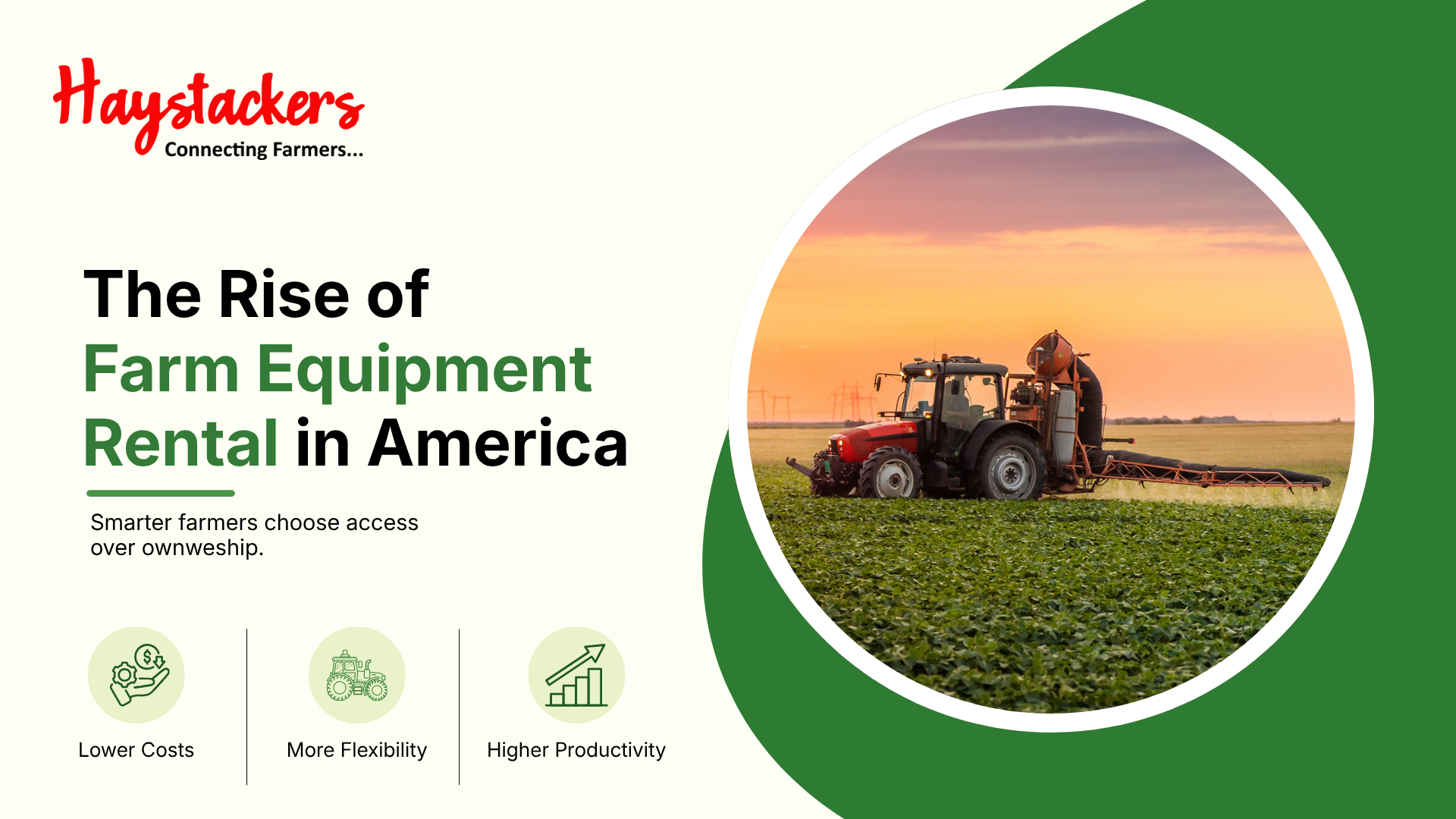
Compact Tractor Rental
Not every piece of equipment needs the same rental strategy. Planting season calls for precision seeders and planters. Midseason work might require sprayers or cultivators. Harvest time demands combines, balers, and grain carts. With the rental solution, farmers now have the right machine for the job at hand. Rather than opting for a standard piece of equipment that performs an acceptable job at everything but without becoming stellar at anything," he says.
This scenario is where reliable tractor rental services in US markets become especially valuable. Tractor work is probably responsible for the bulk of daily operations, and having the flexibility to work with different horsepower options and various attachments over time, without being locked into a purchase, affords farmers the opportunity to test what is best for them, their soil, their rotation, and their acreage.
Choosing correctly also has to do with timing and
booking your equipment in advance: Most equipment rentals go into very high
demand during the planting and harvest seasons, and to avoid running out of
what you need (and in most cases at lower rates), reserve ahead of the demand.
Farmers who plan their rental calendar alongside their crop calendar tend to
see the smoothest operations and the fewest costly delays.
The days of driving from dealership to dealership, hoping someone has the right machine available, are fading fast. Digital rental marketplaces have made it possible to search, compare, and reserve equipment from a phone or laptop, often with transparent pricing and verified equipment listings.
This matters since, on a farm, time is a precious commodity. You can't be taking twelve calls during a storm to get your haybales ready before a storm rolls in. For American farmers, being able to rent agricultural machineries online in US portals means getting connected with a local machine owner without the friction of traditional calls. Such platforms provide the machine owners an additional income from machinery that has been collecting dust for a long time. In another scenario, a farmer with an idle tiller or sprayer that is in demand can rent out their machine, thereby generating an additional stream of income.
The Haystackers platform has been built to deliver
exactly this sort of accessibility - they want to remove all the complexity
from renting a space and make it as simple as booking a hotel. For farmers
dealing with their own time pressures, that means minutes of time and less
mental strain during their most intense time of year.
However, profitability isn't just about reducing expenses - it's also about sourcing innovative methods of income from the resources you have. Farmers who have equipment on their farm that sits dormant for parts of the year may just find one opportunity that a surprising many have not capitalized on - renting that equipment to farmers around them.
Imagine a seed drill that you only use for about two weeks every spring, or a mower that just sits in your shed 345 days a year. When you list your equipment with a rental service, you're not just watching that asset's value dwindle. You're recapturing some of your original investment and preventing a fellow farmer from having to make the same significant buy.
This encourages a healthier ecosystem throughout rural communities by allowing people to share in existing equipment rather than purchasing and owning duplicate sets of machinery on their properties. It also streamlines operational expenses for both companies while furthering bonds and partnerships with surrounding operations, practices that have long been the core values of a farming community but are finally getting an update with the technology.
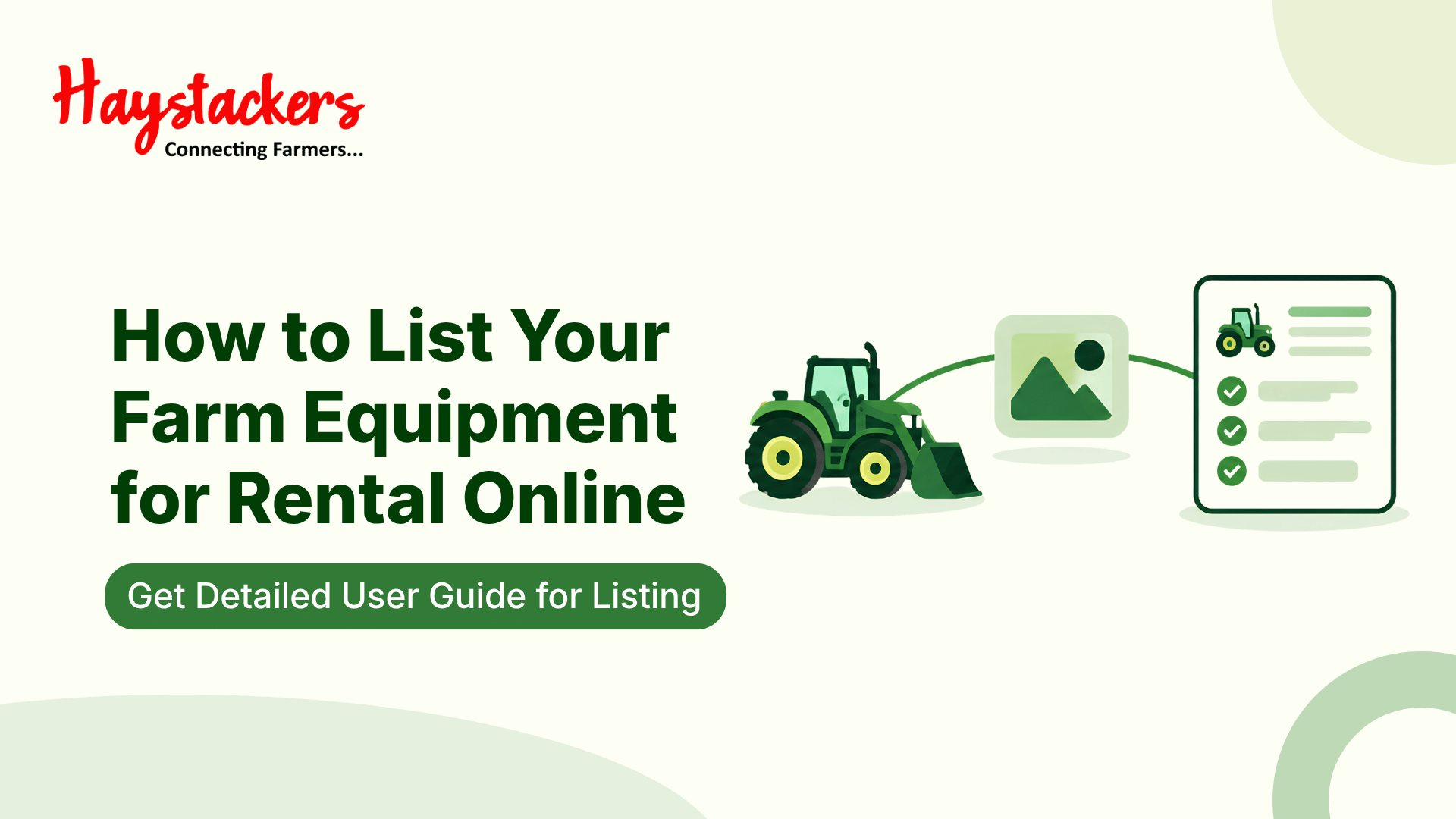
If you're a farmer interested in such a solution,
continue to learn more to list your equipment and turn your
idle machines into a consistent flow of revenue.
Perhaps another common worry with renting equipment is reliability, or the question of whether it'll arrive at your location in working order, or potentially break down midway. These are all completely valid concerns, and why you partner up with an experienced rental company is all the more important. Reputable platforms generally have rigorous vetting processes on the listed equipment, offer open records for maintenance, and have a support system in place in case anything does happen, giving you less risk to deal with when working with new equipment.
It also helps to ask specific questions before booking: How recently was the machine serviced? Is there a backup available if something fails during a critical window? Is support reachable quickly if an issue comes up in the field? Farmers who take a few extra minutes to confirm these details upfront tend to have far smoother rental experiences overall.
This reliability is why Haystackers are building out a
rental marketplace so renters and owners can transact with one another with
trust, making equipment rental an increasingly real and viable long-term option
beyond a spare plan for efficient farming.
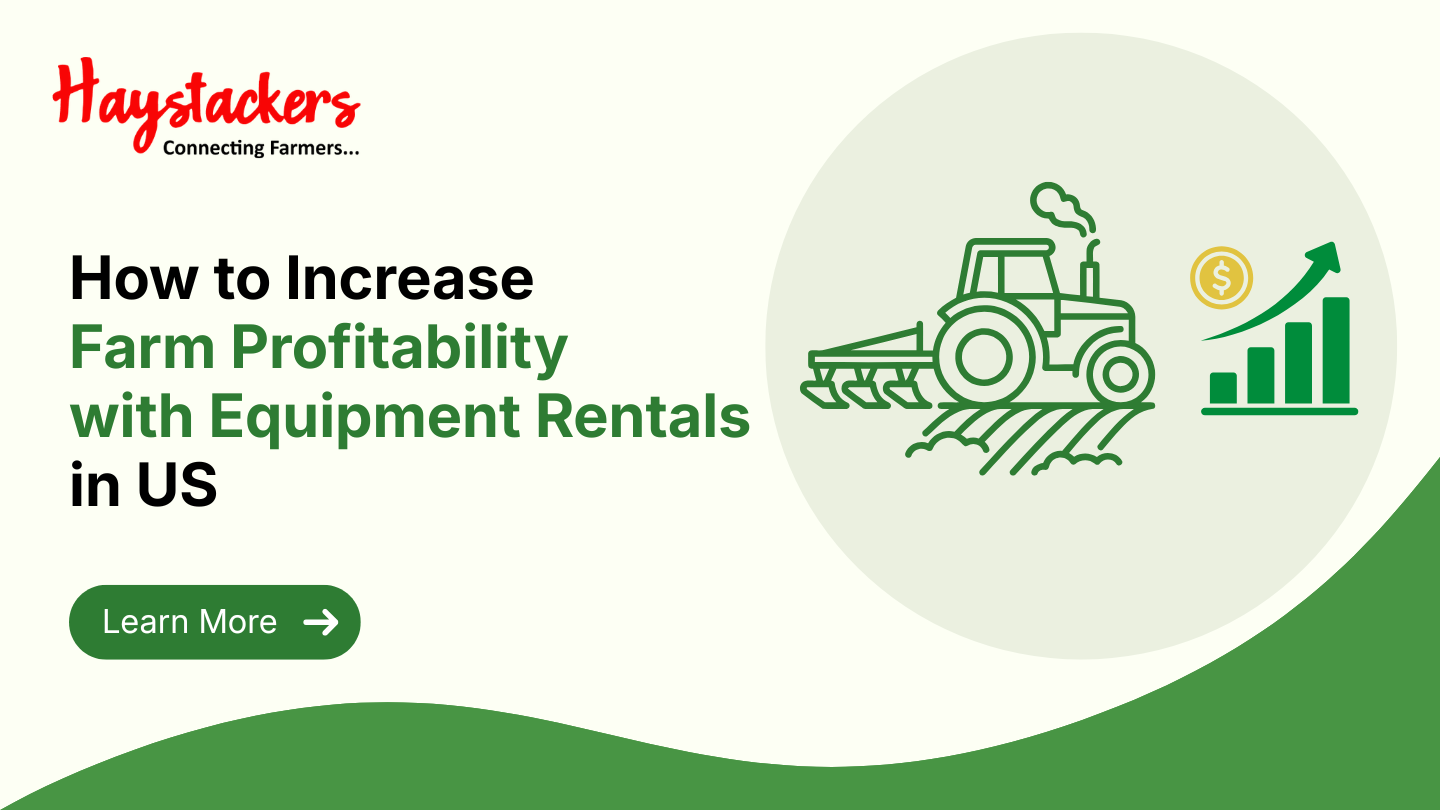
As much as it might be the ultimate farm goal to increase yields, farm profitability is about more than what leaves your fields; it's about the financial planning to make your farm more efficient, increase its cash flow, and ensure every dollar of spending has to work as hard as the soil itself. Renting equipment is a great option because it allows farmers to find affordable, time-saving machinery that fits their needs and schedule. Farm rental marketplaces spreading throughout the nation make this approach the most proven way to create a more agile and profitable farm.
👉Ready
to equip smarter and farm leaner? Learn more today.
Q: Is renting farm equipment cheaper than buying it in the long term?
A: For seasonal or occasional tasks, yes. Renting eliminates loan interest, storage costs, insurance on idle machinery, and depreciation loss. Buying is usually worthwhile only when a specific machine is used heavily and consistently for most of the year.
Q: What size farms benefit most from equipment rentals?
A: Small and mid-sized farms usually see the biggest impact, since they often can't justify the capital expense of owning a full equipment lineup. That said, larger operations also rent specialized machinery to cover peak-season gaps without over-investing in gear used only a few weeks a year.
Q: How far in advance should I book rental equipment?
A: Two to three weeks before planting or harvest season is a safe general rule, since demand for tractors, planters, and combines spikes sharply during those windows. Farmers who plan their rental calendar alongside their crop calendar typically get better availability and pricing.
More articles
Friday | Aug 7, 2026
The Future of Agriculture With Smart Farming Technologies in USA: Know More
Learn how smart farming technology are changing American agriculture. Find out more about how technology, precision farming, and sustainable solutions will affect food production in the future.
Read Article





Haystackers is a peer to peer community-based platform facilitating direct rentals of tractors and farm equipment from individual farmers to those in need.
© Copyright 2026. Haystackers. All Rights Reserved.


© Copyright 2026. Haystackers. All Rights Reserved.