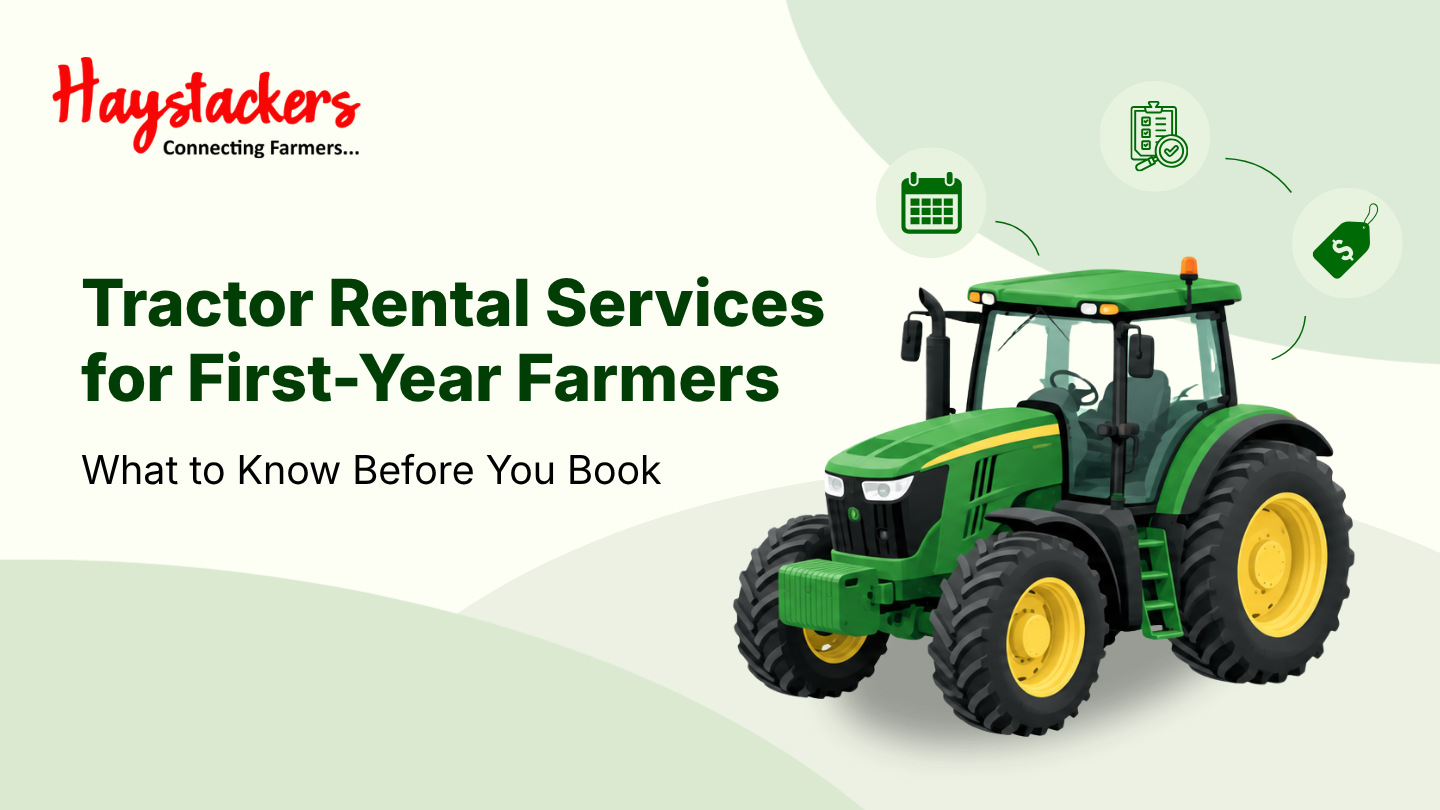
Tractor Rental Services
Traditional equipment can be a big upfront cost for
beginning farms before you're actually ready to purchase. This guide helps you
size the right tractor, select the correct attachments, and compare short-term
rentals with upfront purchases to avoid surprise charges. It also shows how
Haystackers makes comparing options across the US easier than cold-calling
dealers.
Your first planting season is thrilling and, frankly,
expensive. Between seed, soil testing, and fencing, buying a tractor outright
can wipe out a startup budget before a single row goes in the ground. Enter the
tractor rental service, which provides beginner farmers with tangible
horsepower without that five-figure loan hanging over their heads. But
reserving one isn't exactly as easy as using the first listing you come across.
The wrong horsepower, a missing attachment, or a confusing contract can cost
you a full week during your busiest stretch. This blog breaks down what
first-year farmers genuinely need to know - from matching a tractor to your
acreage to comparing short-term hire against ownership to spotting the fees
that never make it into the headline price.
Most US farmers today are well into their careers, but a fresh wave of beginning growers - often younger, working smaller plots with leaner savings - is steadily joining agriculture. Most of these new operators will need a tractor just for a handful of tasks each season: plowing one time, mowing a few, and perhaps grading their drive once in a while. The economics of owning a larger tractor for that light of a workload simply don't add up.
A brand-new utility tractor represents a serious upfront investment once you factor in a loader, insurance, fuel, and storage on top of the purchase price itself. Booking a comparable mid-size unit by the day, by contrast, costs a fraction of that outlay, with the rate shifting based on horsepower and region. For a grower testing a few acres before committing fully, rental farm equipment in US markets has become the sensible starting point rather than a fallback plan.
There's flexibility too: a borrowed tractor can be
swapped for a smaller or bigger model as fields or contracts change - something
a five-figure purchase won't allow.
Choosing the right size matters more than choosing the newest model on the lot. Here's a rough breakdown most US providers use:
| Configuration | Engine Volume | Made for |
| Compact | 25-45 HP | Up to ~40 acres, mowing, light tilling, hobby farms |
| Utility | 45-100 HP | 40–150 acres, hay work, loader tasks, mid-size row crops |
| Row Crop | 100 + HP | 150+ acres, large-scale planting and harvesting |
If unsure which bracket fits, round up slightly rather
than down - an underpowered unit stuck in wet clay costs more in lost days than
the price gap between horsepower tiers.
Without the right implement, a tractor is little more than an expensive towing rig. Prior to scheduling, make a list of all the different jobs you expect to do this season (mowing, tilling, hauling, digging, grading) and research which implement is perfect for each. Searching for tractor attachment rental in US listings alongside the main unit often saves a second delivery trip and fee.
Add-ons first-year growers often overlook:
Ask providers whether attachments are billed
separately or bundled pricing is often cheaper than adding pieces one at a time
later.
Ask any seasoned grower how they landed on their tractor strategy, and most will admit it took a season or two of trial and error to get right. There's no single correct answer here - it comes down to how your land is actually farmed, not what the operation down the road is doing.
If your plot is on the smaller side, you're still finding your footing, or you simply don't have covered storage to protect a machine through winter, short-term hire is usually the smarter first move. It keeps cash available during the exact stretch when you need it most for seed, fertilizer, and labor.
If your operation stays busy most of the year, you've got dry storage sorted, and you're comfortable handling routine upkeep yourself, ownership starts to make more sense - daily access pays for itself over time, and depreciation becomes a manageable cost rather than a risk.
Plenty of growers land somewhere in between: booking seasonally for the first couple of years while acreage and crop plans take shape, then buying secondhand once a clear pattern emerges. That way, you're never locked into a decision before you know what your farm actually needs.
Here's the point most beginners overlook: this choice
isn't permanent. Revisiting it every season - as your acreage grows, your crop
mix shifts, or your storage situation changes - keeps you from being stuck with
a machine that no longer fits the farm you're now running.
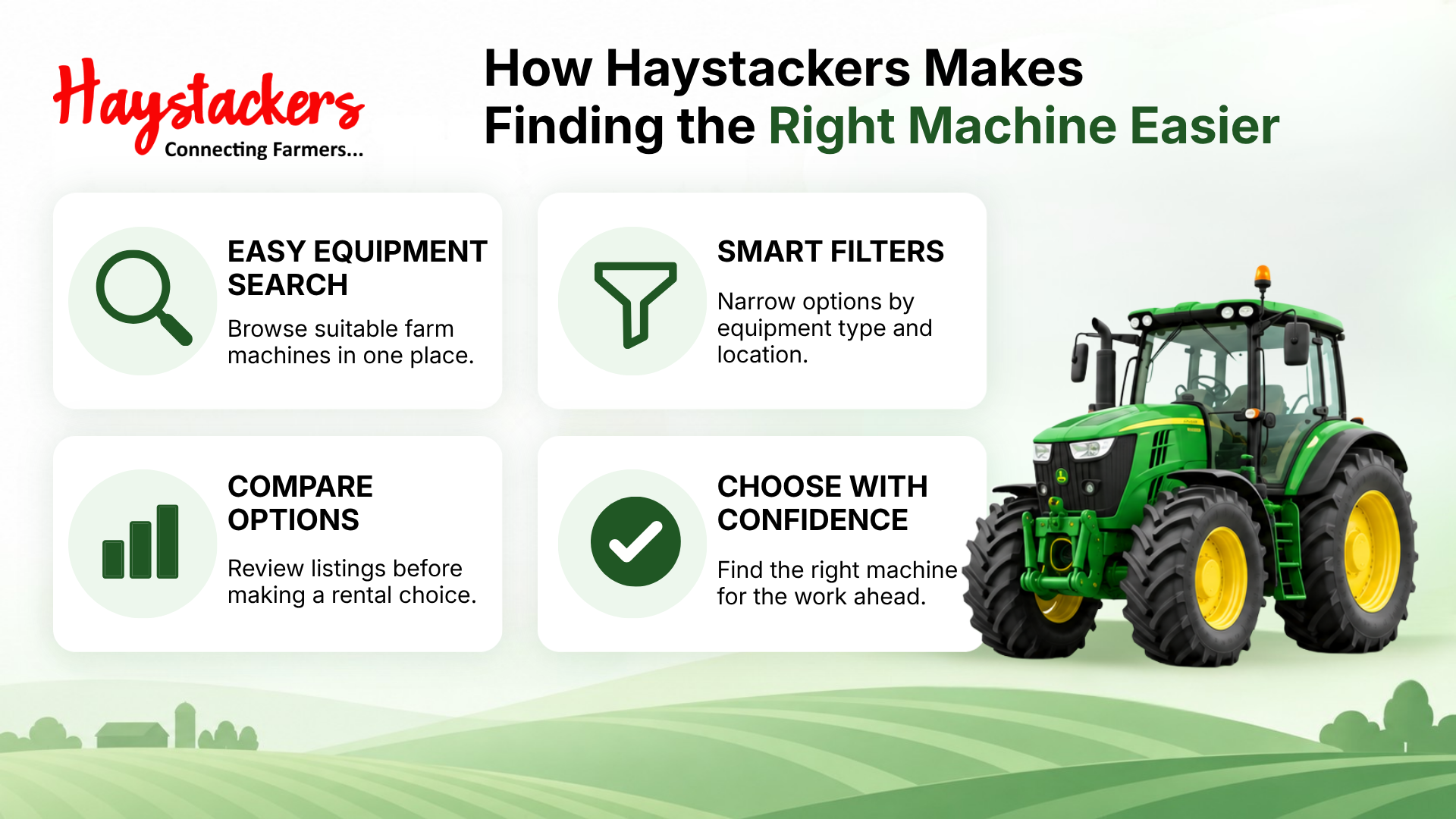
Everything covered so far - sizing, attachments, contracts, timing - takes real research to get right, and that's the gap a peer-to-peer community platform like Haystackers is built to close. Instead of calling around to dealers or scrolling classifieds, growers can compare tractors and attachments from verified owners across the US side by side, filter by horsepower and location, and see transparent daily pricing upfront. For a first-year farmer juggling budgets and planting windows, having one place to compare options - instead of piecing it together from phone calls - genuinely simplifies the process this blog has walked through.
Once you know your acreage, task list, and budget, the
last step is comparing what's actually available near you. Find your perfect
farm equipment and see verified listings, pricing, and availability before
your planting window closes.
Small Tractor Rental
There is a heavy demand for tractors in early spring and during harvest time, so it's not uncommon for the most capable machines to be reserved weeks in advance and rates to rise. Locking in a late winter reservation prior to the planting rush means better rates and availability on the horsepower you need. Off-season bookings - late fall or midwinter, for tasks like land clearing - often come cheaper simply because demand drops.
A little flexibility in your schedule can go a long
way - pushing your project back or moving it up by just a few weeks can
noticeably change what you end up paying.
Know your first season - isn't the size of the machine; it's the right combination of horsepower, attachments, and timing for your land. Be honest with yourself when comparing short-term rental to ownership, read contracts carefully, and plan ahead for peak spring and fall times. That initial research and planning will save you money and headaches when the busy seasons roll in.
👉Book
your equipment online today.
1. How far in advance should I, as a first-year farmer book a tractor?
A: Aim for three to four weeks before your planting or clearing date, especially in spring when demand peaks. Popular horsepower classes and attachments get reserved first.
2. Can I get just an attachment without the tractor?
A: Some providers allow standalone bookings if you already have a compatible hitch and horsepower, but many bundle the tool with a matching tractor to avoid compatibility issues - confirm before booking either separately.
3. What happens if bad weather delays my return date?
A: Most agreements include a grace period, but extensions beyond that are billed daily. Contact the provider as soon as a delay looks likely, rather than waiting until the due date, to avoid steeper late charges.
More articles





Haystackers is a peer to peer community-based platform facilitating direct rentals of tractors and farm equipment from individual farmers to those in need.
© Copyright 2026. Haystackers. All Rights Reserved.


© Copyright 2026. Haystackers. All Rights Reserved.