Farm Equipment Rentals
Most tractors or balers in the shed wear out whether
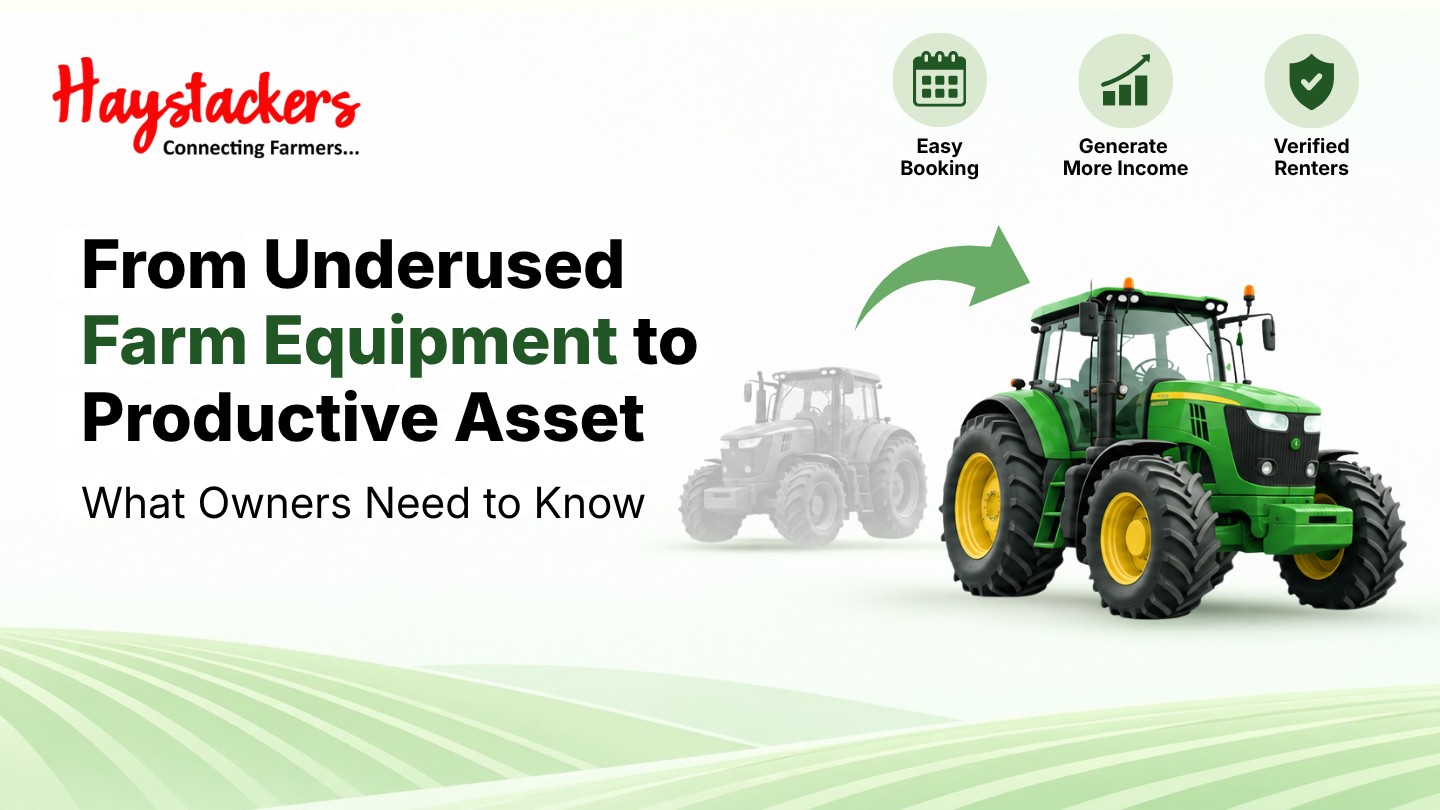
they're working or not. Turning that surplus piece of kit into a productive
income stream is easier than you might think once the condition and pricing are
taken care of. This article explains which machines are suitable to recondition
and how a marketplace such as Haystackers can help producers connect with those
who need them.
Farm equipment is often used during busy seasons and
left unused for the rest of the year. That downtime still costs money through
storage, insurance, and slow wear, even when nothing is happening in the field.
Many owners are now looking at options to rent farm equipment in US
markets, not to give up ownership but to put a costly purchase to better use.
Idle capital rarely helps a balance sheet, while a well-managed listing can.
This piece looks at why machines sit unused, which ones are worth offering,
what preparation and pricing look like, and where a dedicated platform fits
into the picture.
Interest in tractor hiring services in US farming communities has grown as newer operators, landscapers, and small acreage growers look for temporary access instead of a full purchase. This trend benefits the person holding the title directly. A mini or medium frame machine used exclusively for the tillage or mowing season can bring in a steady second income during the offseason.
Those inquiring about these bookings are less
concerned with the envy-inducing packaging and more concerned with reliability,
straight-from-the-source specifications, and visible imperfections such as
scratches and dents. Accurately providing horsepower, attachment capabilities,
and hours often results in better-qualified inquiries and fewer emails.
Most row-crop operations run a planter for a few weeks
each spring and a combine for a similarly short harvest stretch. Outside those
windows, the asset contributes nothing except carrying cost. Published
machinery-cost data puts annual depreciation on a two-wheel-drive tractor at
roughly 3.3 percent of purchase price regardless of hours logged, while a
self-propelled combine can shed close to 5.6 percent a year. USDA figures have
also shown machinery making up around a tenth of total farm equity on the average
operation, second only to land and buildings. Money that sits idle instead of
earning becomes a burden.
Deciding whether to leave a machine unused or rent it
out for a short time depends on a few practical factors. Keeping it parked
means skipping the scheduling, avoiding strangers on the property, and having
zero chance of extra wear from someone else's hands on the controls. It also
means the same storage fees, insurance premiums, and loan payments continue
with nothing coming back in return. There is no downside to getting it in the
game: a small investment in added between-flight maintenance and cleaning,
which is offset by a modest income to offset the costs of ownership and, over a
season, can cover a significant percentage of what it took to get the item in
the first place. For most operators, the calculus is a simple one: if a piece
has multiple periods of unimproved downtime and no immediate repairs, it's
almost always worth putting it to work.
Rates for agriculture equipment hire in US vary based on location, season, farming instrument condition, usage hours, and attachments. Older machinery with visible wear can be priced at the lower end of local rates, while well-maintained farm tools may command average pricing. Newer, low-hour machines with useful attachments can justify higher rates.
Owners might want to set minimum booking periods and
leave buffer days in between rentals for inspections and repairs. Clarify the
details of the following aspects to avoid issues later: fuel, cleaning,
maintenance, and damage claims.
Not everything in the yard belongs on a public
listing. Begin with the calendar: what items sit idle for six, eight, or more
weeks at a time? Small tractors, push mowers, tillage tools, and seasonal
attachments usually reveal the clearest downtime. Anything with mechanical
issues or that's needed unexpectedly or specialty equipment only one person is
qualified to operate safely can be costly. An easy way to determine what to
rent out: If the equipment hasn't been used for over a month and you aren't planning
to in the next few, it can be a good choice.
A listing is only as strong as the gear behind it.
Service the engine, test fluid levels, and examine tracks or tires for any
damage that might break during the rental. Prepare your documentation of the
equipment as well as detailed photographs from multiple angles, showing
scratches or dents, so there are no surprises when the equipment is returned.
Write a brief list of what the customer must leave behind, including all safety
equipment, attachments, and fuel level, and use the same list when receiving the
equipment to ensure both parties agree on its condition.
This is where a dedicated platform becomes useful
rather than optional. Haystackers, a peer-to-peer service catering to the
American farmer, links owners of unused equipment with growers in need of
short-term rentals. Rather than collecting random classified listings or having
to cold-call potential renters, equipment owners can create a single profile
and list their availability based on their own schedule, and it can be searched
by location and product category. The platform also provides episodic insurance
during a rental and the opportunity for pickup or delivery, alleviating some of
the worries that come with loaning a valuable machine to a stranger. It doesn't
replace good judgment on pricing or upkeep, but it removes much of the friction
around visibility and trust. Learn More to List Your Equipment and see
where a completed profile stands against similar listings in your area.
A tractor, baler, or attachment left to languish would be much better off earning its keep and putting off depreciation in a field somewhere. Offer up an honest condition report, sensible local pricing, and a simple handover process, and you'll be on the way to making that same asset contribute to your bottom line, rather than cost you in empty storage. It's all simple stuff once you get used to it: check, price fairly, note everything, respond quickly to enquiries, and keep a record of each booking.
👉🏻Start
Renting Farm Equipment Near You.
1. How long should a machine sit unused before it's worth offering to others?
A: If a piece has gone a month or more with no planned use and no mechanical faults, it's usually a fair candidate. Shorter gaps rarely justify the extra scheduling and prep involved.
2. Does letting others use farm gear increase wear compared to normal operation?
A: Wear depends more on operator habits and job type than on who is driving. A clear handover checklist, honest condition notes, and prompt repairs after return keep extra wear manageable and easy to track.
3. What's the biggest mistake owners make when they first list a machine?
A: Setting a price without checking local rates, then leaving vague photos and descriptions. Both drive away serious inquiries and attract more questions than qualified requests.
More articles





Haystackers is a peer to peer community-based platform facilitating direct rentals of tractors and farm equipment from individual farmers to those in need.
© Copyright 2026. Haystackers. All Rights Reserved.


© Copyright 2026. Haystackers. All Rights Reserved.